
Thailand vs Vietnam: Which Is Better for Your Trip?
Picture two very different trips. In Thailand, you might move from Bangkok’s river ferries and night markets to a longtail boat waiting beside a limestone island. In Vietnam, the memorable part may be the journey itself: a train following the coast, a mountain road above rice terraces, or lantern-lit streets after dark.
Both countries can deliver an outstanding holiday, but they reward different travel styles. This comparison focuses on the differences that actually change your route, budget and day-to-day experience.
This guide is written for a typical 10–14 day leisure trip. Long-term living, remote work and retirement can produce a different answer.
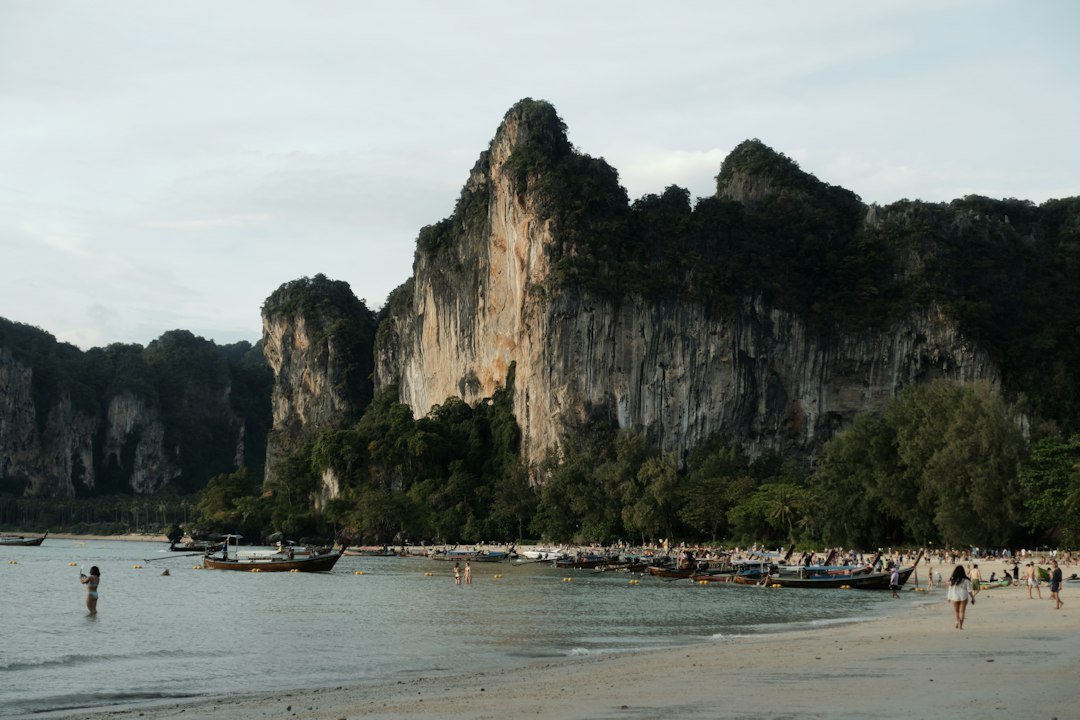
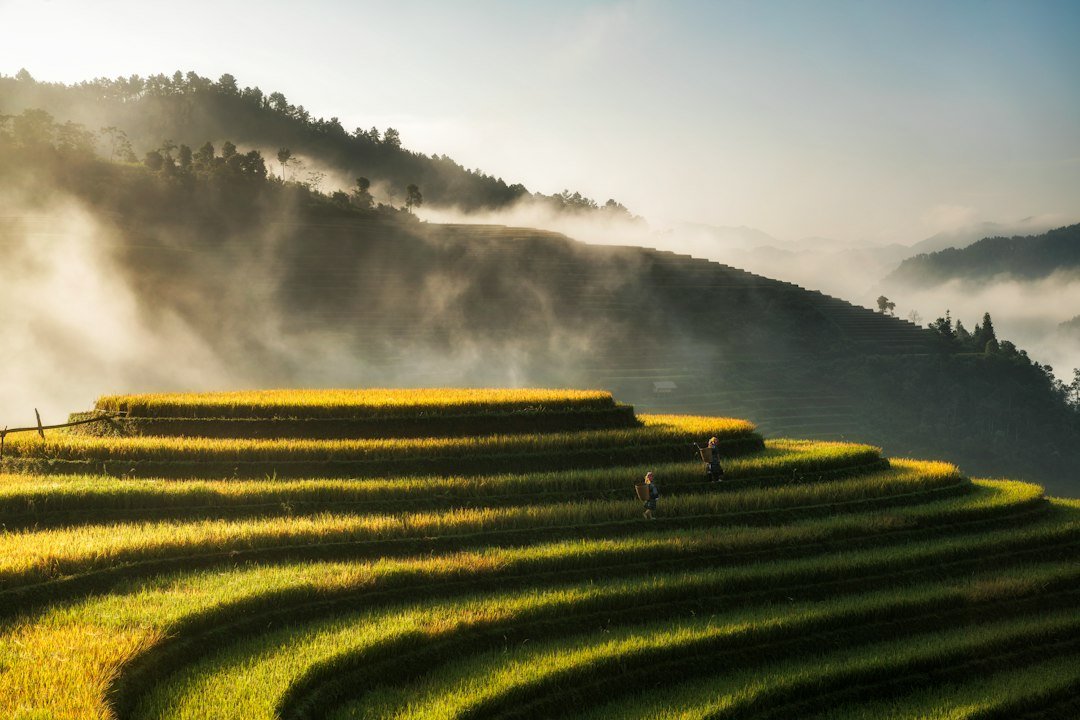
Thailand’s tropical coast and Vietnam’s mountain landscapes offer two very different kinds of beauty.
Disclosure: This guide contains affiliate links. If you book through them, we may earn a small commission at no extra cost to you.
Quick Answer: Thailand vs Vietnam
If you want the simplest decision, use this rule:
- Choose Thailand for easier logistics, resort comfort, island variety, nightlife and a smoother first trip to Southeast Asia.
- Choose Vietnam for lower everyday costs, dramatic scenery, strong café and street-food culture, and a journey that feels more exploratory.
| Category | Thailand | Vietnam |
|---|---|---|
| Best overall for | First-time visitors, beaches, resorts and nightlife | Value, culture, scenery and longer journeys |
| Typical daily spend | Usually higher, especially on islands | Usually lower for rooms, meals and local transport |
| Travel style | Easy to organize and flexible | More planning, often more rewarding for slow travel |
| Beaches | Wider choice and stronger resort infrastructure | Good coastal stops, but not the main advantage |
| Culture and scenery | Temples, northern mountains and tropical islands | Historic cities, rice terraces, karst landscapes and a varied north–south route |
| Nightlife | More variety, from rooftop bars to beach parties | Lively and affordable, but generally less resort-focused |
| Shopping | Stronger malls, markets and international choice | Good local markets, crafts and better-value everyday shopping |
The best choice can change with your season, route and flight price—not just your daily budget.
Which Country Is Cheaper?
Vietnam is normally the cheaper destination. Budget travelers can often manage around $25–45 per day, while a comfortable mid-range trip commonly falls around $50–80 per day. In Thailand, a realistic budget is often closer to $35–55 per day, with mid-range travel around $70–110 per day.
These are broad planning ranges updated in September 2026, not live quotes or guaranteed prices. Beachfront rooms, private tours, domestic flights and peak-season travel can push either country higher. Thailand’s popular islands usually cost more than Bangkok or Chiang Mai, while premium cruises and famous coastal stops raise Vietnam’s average.
| Typical expense | Thailand | Vietnam |
|---|---|---|
| Budget day | $35–55 | $25–45 |
| Comfortable mid-range day | $70–110 | $50–80 |
| Simple local meal | About $2–5 | About $1.50–4 |
| Good-value private room | Often $25–50 | Often $18–40 |
A cheap flight can matter more than a $10–20 difference in daily spending. Compare the total trip—not only food and hotel prices. You can check route options on Aviasales before choosing.
Which Is Easier to Travel Around?
Bangkok’s BTS and MRT make many central journeys predictable, English signage is common in tourist areas, and it is usually straightforward to combine Bangkok, Chiang Mai and one or two islands. Tourist buses, ferries, domestic flights and hotel transfers are easy to arrange.
Vietnam is not difficult, but its long, narrow shape changes how you plan. Hanoi, central Vietnam and Ho Chi Minh City are far apart, so travelers often combine domestic flights with the Reunification Express, overnight trains or sleeper buses. Grab is widely useful in both countries; Bolt also operates in many Thai destinations, while Vietnam adds local options such as Be in major cities.
The difference is how travel time feels. Thailand’s network is useful when transport is simply the link between your stops. In Vietnam, a scenic train or mountain road can become one of the experiences you remember.
Beaches and Islands
Thailand gives beach lovers more ways to shape an entire holiday. One morning can begin with a longtail boat crossing clear water beneath Krabi’s limestone cliffs; another island may be built around diving, a quiet bay, a polished resort or a late beach party. Phuket and Koh Samui offer broad resort choices; Krabi and the Phi Phi Islands have dramatic limestone scenery; Koh Lanta feels quieter; and Koh Tao is a diving hub.
That popularity has a cost. Famous islands and boat stops can feel crowded in peak season, and beachfront stays are often among the most expensive parts of a Thailand trip.
Vietnam has attractive coastal destinations such as Da Nang, Hoi An, Nha Trang and Phu Quoc. They work especially well as a pause between cities, food experiences and cultural stops, rather than as the only purpose of the trip.
If your Thailand choice comes down to two popular beach bases, our Phuket vs Krabi comparison explains the difference.
Planning a wider route through Vietnam? Our 14-day Vietnam itinerary shows how to combine Hanoi, Ninh Binh, Hoi An, Da Nang and Ho Chi Minh City without adding every possible stop.
Cities, Culture and Scenery
Vietnam is one of Southeast Asia’s strongest destinations for nature and a sense of journey. It is not simply a cheaper alternative to Thailand. The country changes dramatically from north to south, and the route itself becomes part of the experience.
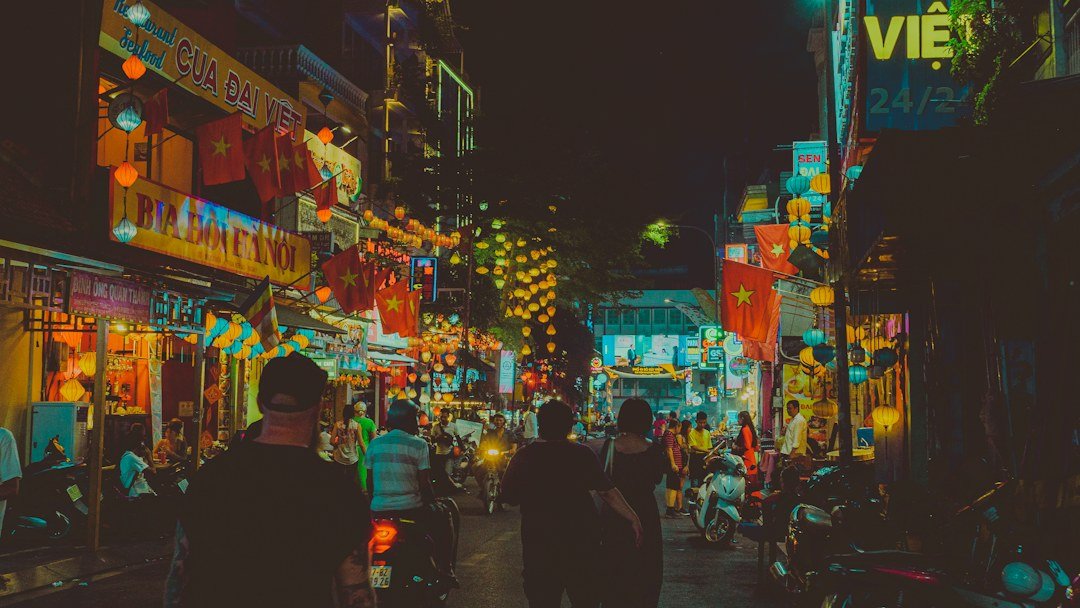
In the north, travelers can combine Hanoi with the limestone valleys of Ninh Binh, the bays and islands around Ha Long and Lan Ha, the rice terraces near Sapa, and the mountain roads of Ha Giang. Central Vietnam adds imperial Hue, the caves and landscapes of Phong Nha, the lantern streets of Hoi An and the beaches around Da Nang. Farther south, Ho Chi Minh City and the Mekong Delta create another completely different atmosphere.
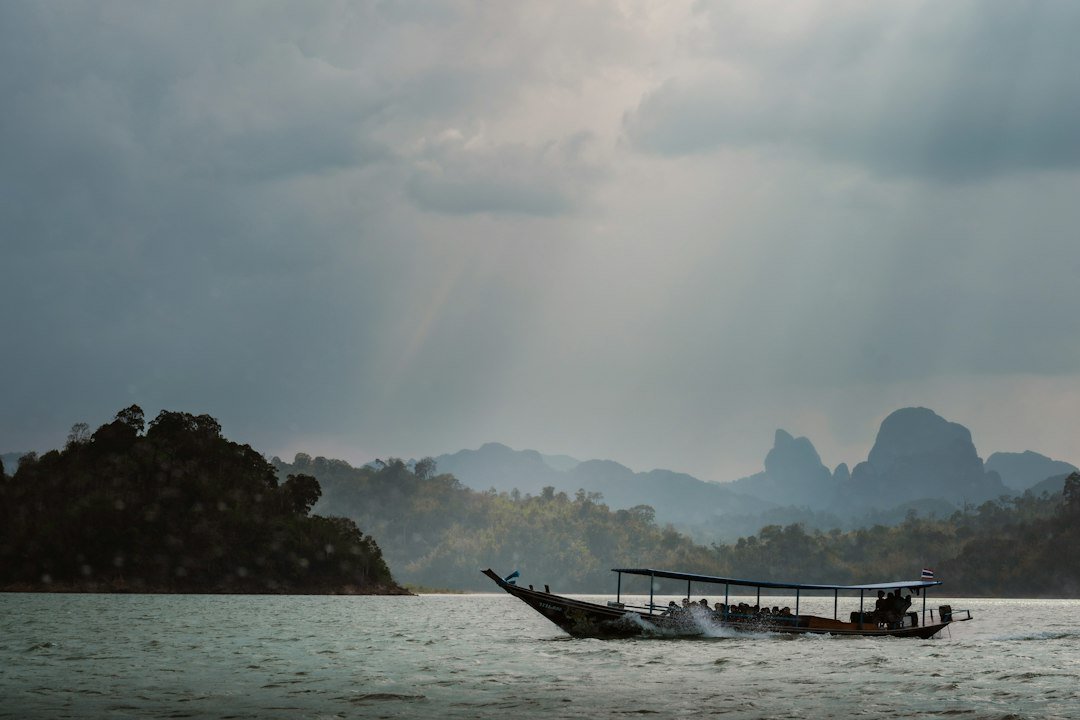
Thailand also offers real variety: Bangkok’s river, temples and layered neighborhoods; Ayutthaya’s ancient temple and palace ruins; Chiang Mai’s old city and northern mountains; and Khao Sok’s jungle-covered cliffs rising above a broad lake. After that, the trip can finish on either the Andaman or Gulf coast without feeling like a completely separate expedition.
Vietnam makes changing landscapes part of the story. Thailand makes it unusually easy to combine culture, nature and a few restorative beach days in one route.

Which Has Better Food?
This is the closest comparison because both countries are outstanding food destinations.
Thailand is ideal if you enjoy bold sweet, sour, salty and spicy flavors. Bangkok and central Thai cooking offer familiar classics, northern Thailand brings dishes such as khao soi and sai ua, the northeast is known for Isaan grilled food and som tam, and the south leans into seafood and richer curries.
Vietnam often feels lighter and more herb-forward, but it is not one single cuisine. Northern dishes such as phở and bún chả are more restrained; central Vietnam adds specialties such as bún bò Huế, mì Quảng and cao lầu; southern cooking is often sweeter and includes bánh xèo, cơm tấm and hủ tiếu. The country also has a strong café culture.
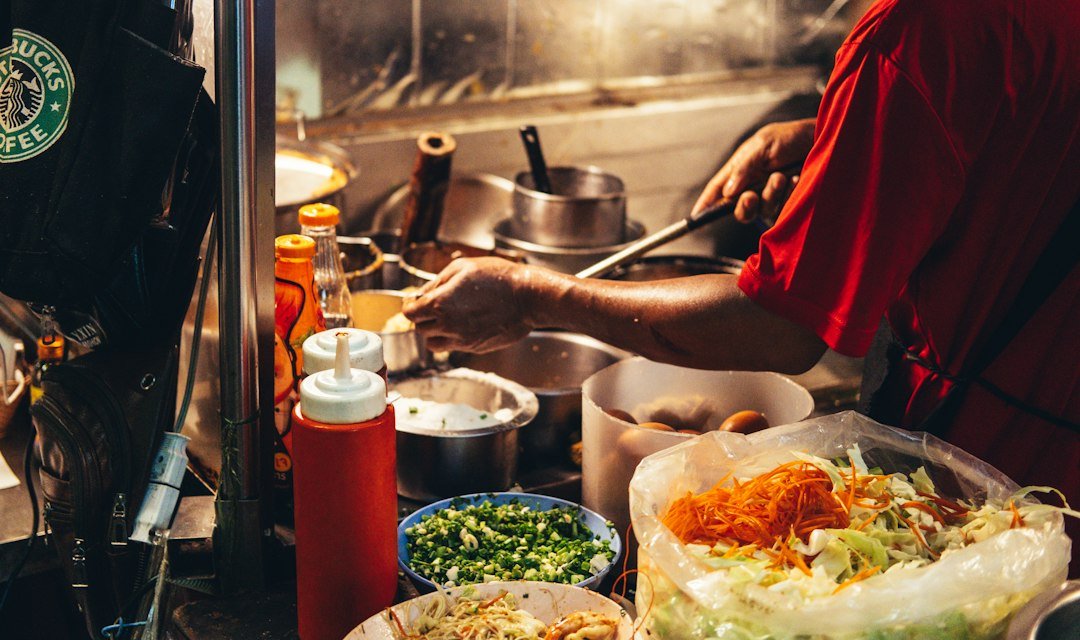
Thailand may be easier for travelers who want immediately accessible night markets and bold flavors. Vietnam rewards people who enjoy regional differences and discovering new dishes as they move from north to south. Neither country objectively wins—the better choice depends on how you like to eat.
Nightlife
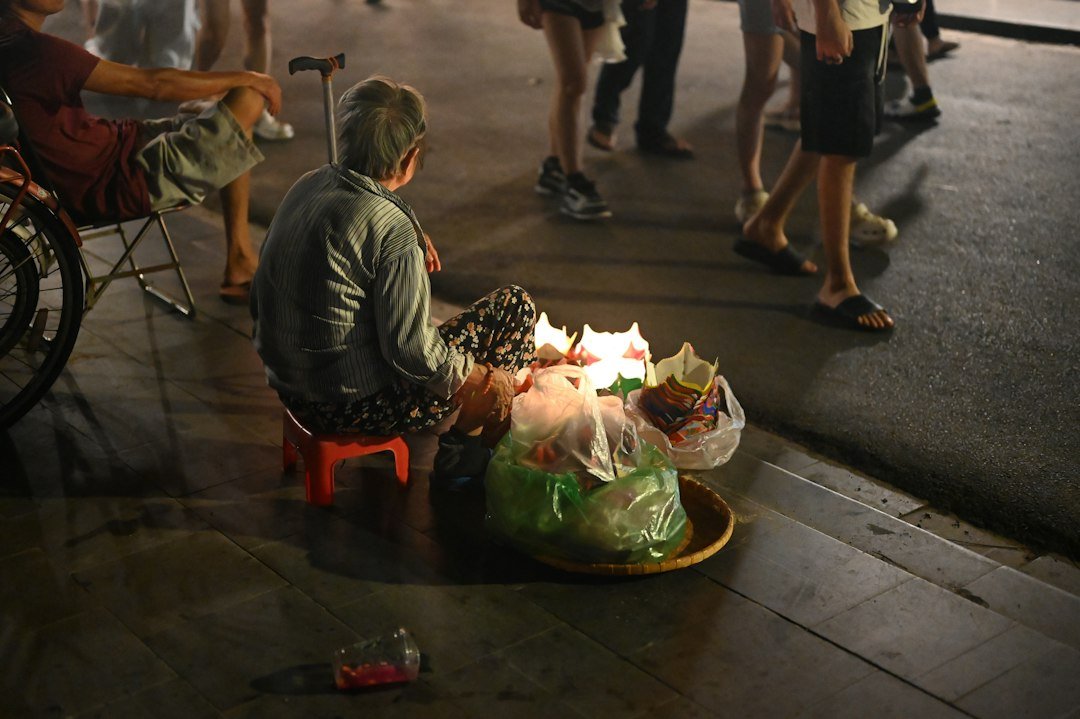
Thailand offers more nightlife variety. Bangkok has rooftop bars, clubs, live music and late-night neighborhoods. Phuket and several islands add beach clubs and party areas, while Chiang Mai offers a calmer social scene.
Vietnam’s cities are lively too. Ho Chi Minh City has rooftop bars and clubs, Hanoi has busy beer streets and live venues, and Da Nang is growing as a nightlife stop. Drinks are often affordable, but the overall scene is less centered on beach parties and large resort nightlife.
If nightlife will shape where you sleep in the capital, see our guide to where to stay in Bangkok for nightlife.

Weather and Best Time to Visit
Thailand’s weather is simpler to plan at country level, but the coasts do not follow exactly the same pattern. November to February is generally the easiest period for Bangkok, northern Thailand and much of the Andaman coast, with drier weather and more comfortable temperatures. The Gulf islands can follow a different rainy-season pattern.
Vietnam needs more regional planning. Northern Vietnam has cooler winters and hot, wet summers; central Vietnam follows a different rain and storm cycle; southern Vietnam stays warm with clearer dry and rainy seasons. Tropical storms can affect Central Vietnam particularly from around September, so check Hue, Da Nang and Hoi An separately rather than relying on a national forecast.
March to May can be a useful compromise across parts of Vietnam, but it is also among Thailand’s hottest periods. There is no single perfect month for a combined trip: match your exact regions to current forecasts before booking non-refundable hotels.
Local People and the Tourist Experience
The more useful comparison is not which nationality is “friendlier,” but how tourism feels on the ground.
Thailand has decades of mass-tourism experience. In popular areas, service is often polished, English communication is easier and hotels or tour operators are accustomed to international visitors. The trade-off is that interactions in heavily visited places can occasionally feel more commercial.
Vietnam can feel less standardized outside the main tourist centers. English may be less consistent and communication more direct, but family-run guesthouses, cafés and small tours often create personal, memorable encounters. A brief or reserved first interaction should not automatically be read as unfriendly.
Warmth varies from person to person in both countries. Patience, a greeting and respectful behavior will shape your experience more than any national stereotype.
Which Country Is Better for Your Travel Style?
This table gives the quick recommendation, but the explanation matters: both countries can work for every type of traveler.
| Travel style | Better fit | Why |
|---|---|---|
| First Southeast Asia trip | Thailand | Simpler logistics, a mature tourism network and easy classic routes. |
| Budget-focused trip | Vietnam | Lower typical costs for rooms, meals and local transport. |
| Nature and scenery | Vietnam | More dramatic variety across mountains, rice terraces, caves, river valleys and coastal landscapes. |
| Beach holiday | Thailand | More islands, resort choice and beach-focused routes. |
| Couples | Depends | Thailand for polished island stays; Vietnam for boutique cities and a scenic journey together. |
| Families | Thailand | More resort choice and generally easier transfers between popular stops. |
| Solo travelers | Both | Thailand has easy social hubs; Vietnam offers affordable routes, hostels, cafés and group tours. |
| Two-week itinerary | Both | Thailand is easy to divide between city, north and beach. Vietnam is best with a focused regional or north-to-south route. |
For a practical Thailand route, see our 7-, 10- and 14-day Thailand itinerary.
Practical Differences Before You Book
Visa and Entry Rules
Entry rules depend on your nationality, passport and length of stay, and they can change. Check the official Thailand eVisa website or the official Vietnam eVisa website before booking.
Foreign visitors entering Thailand must also complete the free Thailand Digital Arrival Card (TDAC) online within the three days before arrival. Use only the official Immigration Bureau website.
Vietnam’s official eVisa system allows eligible travelers to apply online for stays of up to 90 days, with single- or multiple-entry options. Thailand’s visa or visa-exemption rules vary by passport, so avoid relying on an old blog post or social-media screenshot.
Staying Connected
Local SIM cards are inexpensive in both countries and work well for longer stays. An eSIM is more convenient when you want mobile data immediately after landing or prefer not to visit a shop. You can compare Thailand, Vietnam and regional plans on Airalo before the trip.
Safety and Common Hassles
Both countries are widely traveled and generally manageable with normal precautions. The most common problems are traffic, petty theft in crowded places, unclear taxi pricing and tours that do not match the sales pitch.
- Use official transport counters or reputable ride-hailing apps.
- Keep phones and bags secure near busy roads and markets.
- Check recent reviews before booking tours.
- Rent a scooter only if you are legally licensed, properly insured and confident in local traffic.
- Keep digital copies of important documents.
Vietnam’s big-city traffic can feel intense when crossing roads, while Thailand’s island roads can be risky for inexperienced scooter riders. Bangkok’s heat and traffic can also make ambitious sightseeing days exhausting. If you plan to visit northern Thailand in the late dry season, check the current air-quality forecast before fixing your dates.
Can You Visit Thailand and Vietnam in One Trip?
Yes, but combine them only if you have enough time. With two weeks or less, choosing one country usually creates a better trip. You spend less time in airports and more time experiencing each place.
A Simple Two-Country Route
Bangkok + north or islands
Hanoi + north or central coast
Best with three weeks or more. With two weeks, one country usually creates a better trip.
With three weeks or more, a two-country itinerary can make sense. One practical combination is Bangkok and a Thai island, followed by Hanoi and northern Vietnam—or Bangkok and Chiang Mai followed by Ho Chi Minh City and central Vietnam.
Low-cost flights connect the main cities, but include baggage fees, airport transfers and the time lost on travel days. For activities in either country, Klook can be useful for comparing day trips, tickets and transfers in one place.
Still deciding where else to go? See our best places to visit in Southeast Asia.
Final Verdict: Thailand or Vietnam?
If I had to recommend one country to a first-time visitor without knowing anything else about the trip, Thailand would be the safer starting point. But for a traveler who cares more about changing landscapes, everyday value and the feeling of a journey unfolding from one region to the next, Vietnam may leave the stronger impression.
That is the real choice: a smoother holiday with excellent islands, or a more varied route whose movement is part of the adventure.
For Thailand planning, start with our Thailand Travel Guide.
Frequently Asked Questions
Do I need cash in Thailand and Vietnam?
Yes. Cards are common in many hotels, malls and larger businesses, but cash remains useful for markets, small restaurants, local transport and rural areas. Carry a practical daily amount rather than your entire trip budget.
Can I travel without renting a scooter?
Yes. Thailand’s tourist routes are generally easier without a scooter, using trains, buses, ferries, taxis and transfers. Vietnam is also possible with trains, buses, domestic flights and ride-hailing apps, although some rural areas are easier with a driver or organized tour.
How many days do I need?
Allow at least 10–14 days for either country. With less time, focus on one or two regions instead of trying to cross the entire country. Combine both countries only when you have around three weeks or more.