
Budget calculations and inclusions reviewed: October 15, 2026. Other information last reviewed: September 15, 2026.
Thailand can still be an affordable destination in 2026, but the answer to “How much does a trip to Thailand cost?” depends heavily on where you go, how often you move between destinations, and how comfortable you want to travel.
A traveler staying in Chiang Mai, eating local food and using public transport can spend far less than someone staying in Phuket, taking taxis and booking island tours every day.
Quick Answer: How Much Does Thailand Cost in 2026?
For planning purposes, a reasonable starting point is:
| Travel style | Base daily allowance per person |
|---|---|
| Budget | $35–55 (about ฿1,200–1,800) |
| Mid-range | $90–135 (about ฿3,000–4,500) |
| Comfortable | $180–300+ (about ฿6,000–10,000+) |
These are planning estimates, not current booking quotes or all-inclusive trip totals. USD is the main reference; Thai baht conversions are rounded estimates, not a live exchange rate. Use these broad allowances for accommodation, meals and ordinary local transport. Private-room costs depend on whether you travel alone or share, so check your actual hotel nights before relying on a per-person average.
Budget separately for travel between destinations and its airport or pier transfers, paid attractions and tours, international flights, insurance, mobile data and personal extras. Walking around a market does not create an admission expense, but a paid temple ticket or organized island tour belongs in your activities total.
The daily ranges are a shortcut. For a more accurate total, use the worked 14-day budget for a solo traveler or two sharing instead of adding its accommodation, food and local transport costs on top of the shortcut.
The most useful way to budget is not to rely on one national average. Build your budget around your actual route.
Disclosure: This article contains affiliate links. If you book through one of our links, we may earn a small commission at no additional cost to you.
In This Guide
Thailand Base Budget for 7, 10 and 14 Days
This table simply multiplies the base daily allowances by the number of days. It excludes the extras listed above and does not yet include a contingency. It allows an accommodation amount for every day, so it is a rough starting point; an actual 14-day, 13-night trip should use 13 hotel nights in the itemized calculation.
Swipe to compare; the first column stays visible.
| Trip length | Budget base | Mid-range base | Comfortable base |
|---|---|---|---|
| 7 days | $245–385 | $630–945 | $1,260–2,100+ |
| 10 days | $350–550 | $900–1,350 | $1,800–3,000+ |
| 14 days | $490–770 | $1,260–1,890 | $2,520–4,200+ |
| Trip length | Details |
|---|---|
| 7 days | Budget base: $245–385Mid-range base: $630–945Comfortable base: $1,260–2,100+ |
| 10 days | Budget base: $350–550Mid-range base: $900–1,350Comfortable base: $1,800–3,000+ |
| 14 days | Budget base: $490–770Mid-range base: $1,260–1,890Comfortable base: $2,520–4,200+ |
Add your chosen intercity journeys, paid activities and other excluded costs once, then apply a 10–15% contingency to your in-country subtotal. Use either this shortcut or the itemized calculation below as your starting point, not both. Your route, season and accommodation choices can change the amount you need.
If you spend more time in Chiang Mai or smaller northern destinations, use local transport and eat mainly local food, your costs can be lower.
7-Day Thailand Trip Cost
With only a week, the biggest money-saving decision is not choosing the cheapest hotel—it is keeping the route simple. Bangkok + Chiang Mai works well, or Bangkok + one southern beach destination if beaches matter more to you.
The table above gives a base allowance, not the full price of a seven-day route. Start with accommodation, food and local transport, then add any journey between destinations and your chosen paid experiences. Fewer stops usually make that calculation easier to control.
If you have only seven days, I would usually pay a little more for convenient transport rather than squeeze in another destination and lose half a day in transit.
For route ideas, see our Thailand Itinerary: 7, 10 & 14 Days for First-Time Visitors.
10-Day Thailand Trip Cost
Ten days is where Thailand starts feeling less rushed. A classic first-time route is Bangkok → Chiang Mai → Phuket or Krabi.
The main budget jump usually comes from adding the south: beach hotels, airport or pier transfers, island tours and sometimes domestic flights. The mid-range column can be a starting allowance for accommodation, meals and local transport. Domestic flights, their airport transfers and paid excursions still need their own lines in your budget.
14-Day Thailand Trip Cost
Two weeks lets you travel at a much better pace. A realistic route could be Bangkok → Chiang Mai → Phuket or Krabi → Bangkok, with enough time to enjoy each stop instead of constantly packing and moving.
This is also when small expenses start to matter: an extra taxi, baggage fees, another island tour, airport food or a few spontaneous nights out can quietly add up.
For two weeks, calculate your actual hotel nights and price the major journeys and activities first. Add a 10–15% contingency once to that in-country subtotal; the example below shows a 10% calculation.
A 14-Day Budget You Can Recalculate
Suppose you spend 14 days and 13 nights in Thailand. The example below uses assumed amounts to show the calculation; it is not a priced itinerary. Replace each amount with the hotel, tickets and activities you actually choose.
| Cost | Assumption | Solo traveler | Per person, two sharing |
|---|---|---|---|
| AccommodationAssumption: 13 nights × $60 per room; one room | 13 nights × $60 per room; one room | $780 | $390 |
| FoodAssumption: 14 days × $25 per person | 14 days × $25 per person | $350 | $350 |
| Ordinary local transportAssumption: 14 days × $10 per person | 14 days × $10 per person | $140 | $140 |
| Intercity travel and related transfersAssumption: Assumed $150 per person for the whole trip | Assumed $150 per person for the whole trip | $150 | $150 |
| Paid attractions and toursAssumption: Assumed $120 per person for the whole trip | Assumed $120 per person for the whole trip | $120 | $120 |
| SubtotalAssumption: Before contingency | Before contingency | $1,540 | $1,150 |
| ContingencyAssumption: 10% of the subtotal, added once | 10% of the subtotal, added once | $154 | $115 |
| Illustrative in-country totalAssumption: Before international flights and personal extras | Before international flights and personal extras | $1,694 | $1,265 |
For two people sharing that room, the combined illustrative total is $2,530. Only accommodation is split in this example; the other amounts are allowances per person. If you share a taxi, count each person’s share rather than the full fare twice.
International flights, insurance, a SIM or eSIM, shopping and expensive nightlife are outside this example. Add your actual amounts separately. If an excursion already includes transfers or admission, do not enter those same costs again elsewhere. The $120 activity allowance may not cover several organized excursions; price your selected activities before booking.
How Much Does Accommodation Cost in Thailand?
Accommodation is one of the biggest variables in the total cost of a Thailand trip.
Important: hostel prices may be listed per bed, while private-room and hotel prices are usually per room. If two people share one room, the per-person accommodation cost can be much lower.
| Accommodation type | Typical planning range per night |
|---|---|
| Hostel / simple guesthouse | $12–30 (about ฿400–1,000) |
| Budget private room | $20–45 (about ฿700–1,500) |
| Mid-range hotel | $35–90 (about ฿1,200–3,000) |
| Comfortable / upscale hotel | $105+ (about ฿3,500+) |
Two people traveling together can reduce the per-person accommodation cost substantially because they share one room. A solo traveler booking private hotel rooms usually spends more per person.
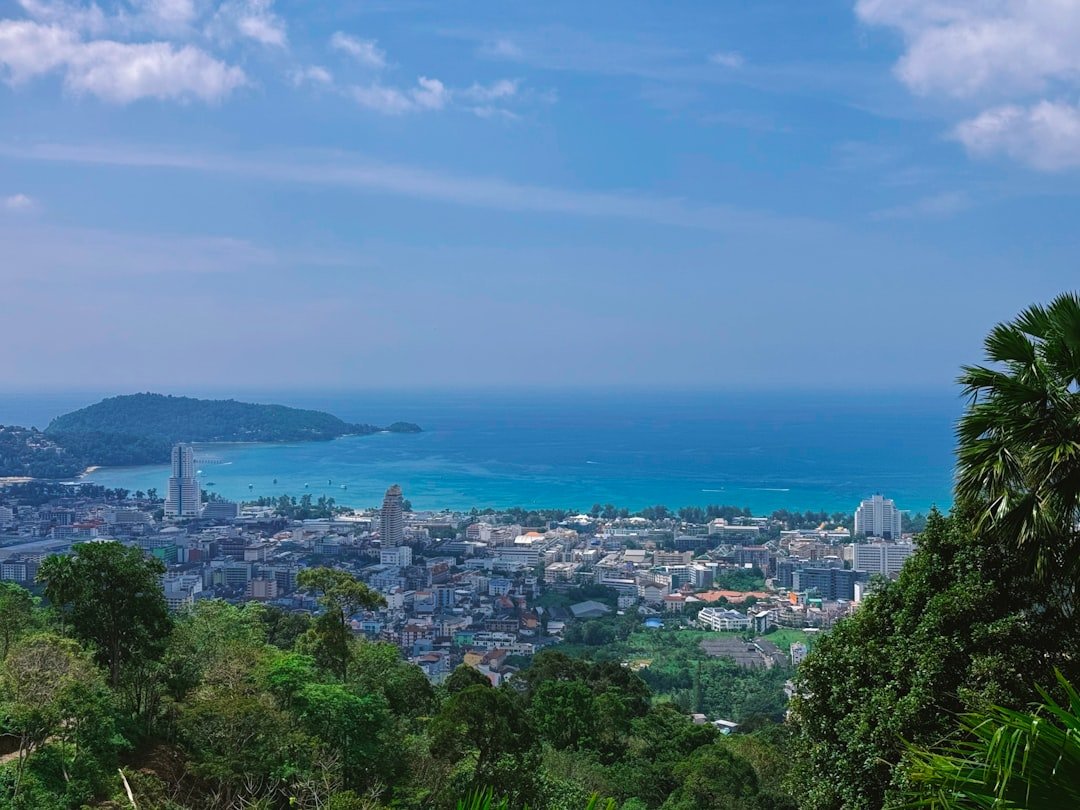
Prices also vary dramatically by location. Phuket and popular islands can cost considerably more than Chiang Mai or less touristy cities, especially around Christmas, New Year and peak beach season.
If Chiang Mai is on your route, compare hotel prices in Chiang Mai’s Old City for your actual dates and guest count. Use the full price of the room for your stay, including any taxes and fees shown. If two people share it, split that amount once when calculating the per-person budget.
Food Costs in Thailand
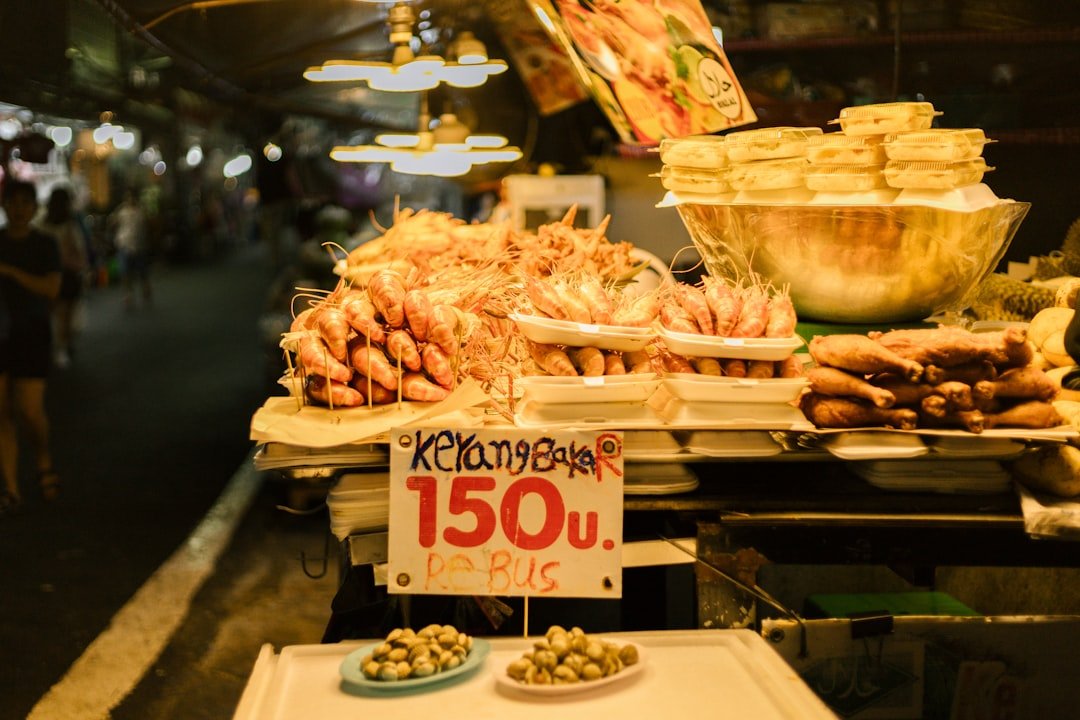
Thailand is one of those destinations where you can eat extremely well without spending much.
Local meals and street food
A simple Thai meal may cost roughly $1.50–4.50 (about ฿50–150), depending on the location. Markets and local restaurants are usually much cheaper than restaurants in heavily touristed areas.
Mid-range dining
If you mix Thai restaurants, cafés and international meals, a practical food budget is around $15–36 per person per day (about ฿500–1,200).
Western restaurants, rooftop bars and nightlife
Your food and drink budget can rise very quickly. A single evening at a rooftop bar or higher-end restaurant can cost more than an entire day of local meals.
This is one reason two travelers can visit the same destinations and end up with very different Thailand trip costs.
Transportation Costs in Thailand
Bangkok
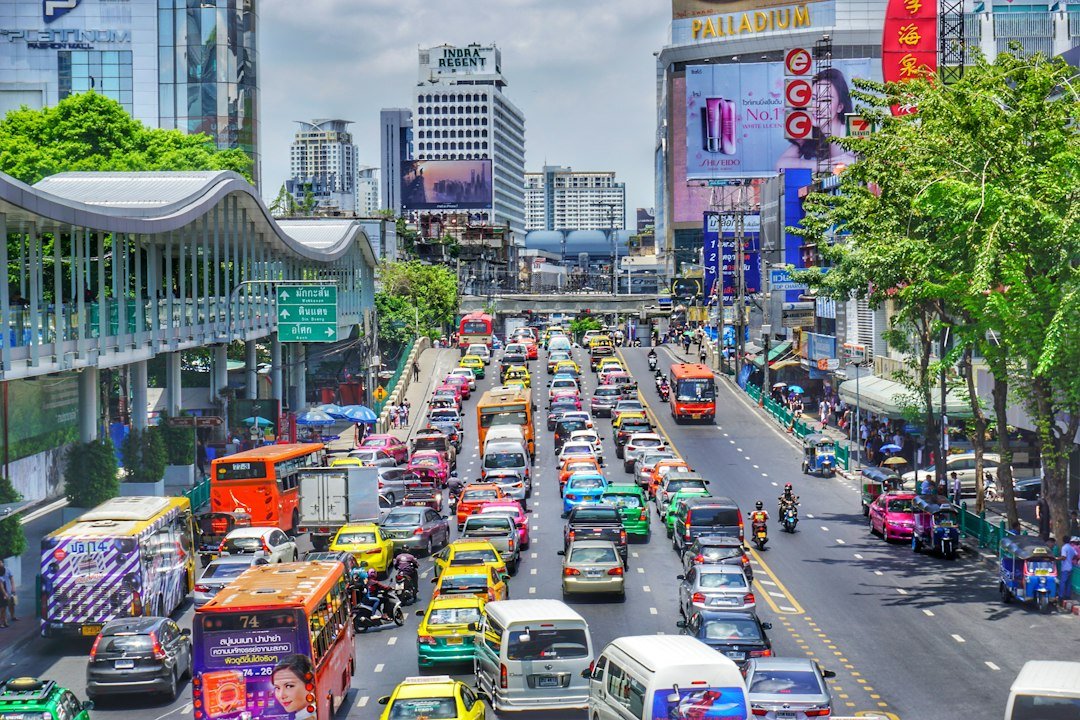
Bangkok is relatively easy to navigate with the BTS Skytrain, MRT, river boats, buses, taxis and ride-hailing. Using rail transport where possible usually costs less than taking taxis all day and can also be faster during rush hour.
For Bangkok-specific planning, see our complete Bangkok guide for first-time visitors.
Chiang Mai
Transportation is generally cheaper than in Thailand’s major beach destinations. Depending on where you stay, you may also be able to walk between cafés, temples and parts of the Old City.
Phuket and the islands
This is where transport can surprise first-time visitors. Public transport is less convenient in many beach areas, which can mean relying more on taxis, transfers or rented vehicles.
Travel between cities
Keep domestic flights, overnight trains, buses, ferries and their airport or pier transfers in a separate intercity category. Ordinary journeys within a city belong in local transport. Record each journey in one category only. The more destinations you add, the more you spend on tickets, transfers and time in transit.
Bangkok vs Chiang Mai vs Phuket: Which Costs More?
Chiang Mai — usually the cheapest
Chiang Mai is generally the easiest of the three for lower daily spending, especially for food, cafés, temples and accommodation.

Bangkok — the middle ground
Bangkok can be inexpensive if you use public transport and local food, but there are endless opportunities to spend more on shopping, rooftop bars, fine dining, tours and nightlife.
Phuket — generally more expensive
Expect higher costs for hotels, taxis, island excursions, beachfront dining and tourist activities.
This does not mean you should avoid Phuket. It simply means you should not use a Chiang Mai daily budget to estimate a Phuket holiday.
If Phuket is part of your route, browse Phi Phi Islands day trips and choose a tour departing from Phuket. Enter the package price under paid activities, adding transfers or park fees separately only if the package excludes them.
How Much Should You Budget for Tours and Attractions?
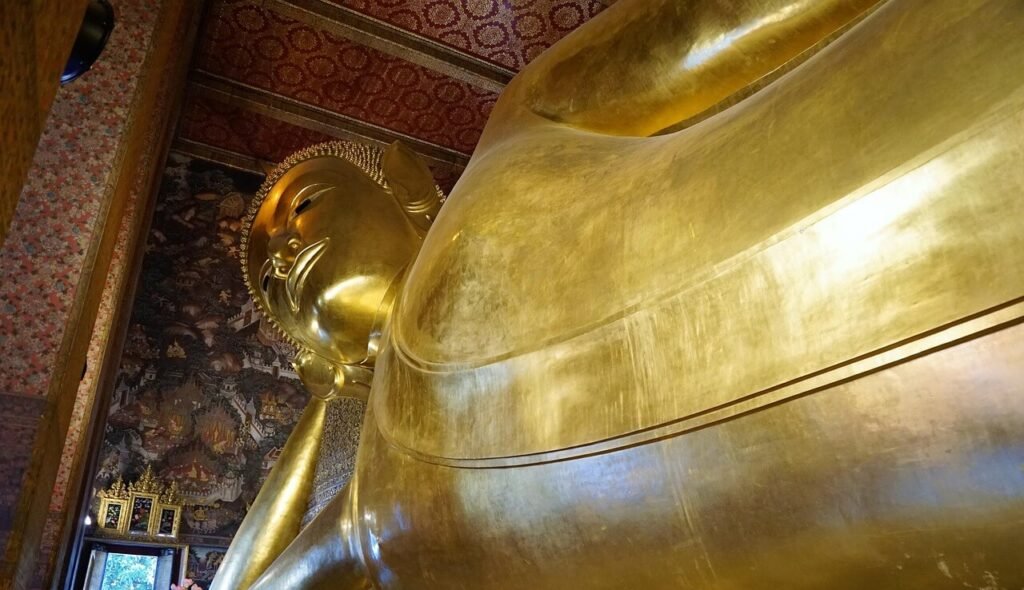
This category varies enormously. Many temples, markets and outdoor attractions are free or inexpensive, while organized day trips can cost thousands of baht.
For a concrete example, the official Grand Palace website currently lists the foreign-visitor ticket at about $15 (฿500), including access to Wat Phra Kaew and the Queen Sirikit Museum of Textiles. Check the current official information here.
If you prefer a guide for Bangkok’s main temples, compare current prices for Grand Palace and Bangkok temple tour options. Enter the package once under paid activities, and add admission or transport separately only where the package excludes them.
Island tours, cooking classes, elephant-related experiences, guided excursions and private tours will cost considerably more.
Paid attractions and organized tours are excluded from the base daily table. Add up the experiences you intend to book, including any admission or transport the package does not cover. Do not add the same activity to both your daily allowance and your separate activities total.
International Flights to Thailand
I recommend keeping your international airfare outside your daily Thailand budget.
A traveler flying from Singapore, Lebanon, London and New York will obviously have completely different flight costs. Airfare also changes based on departure country, season, airline, connections, baggage, booking timing and travel dates.
Use this formula:
International flight + in-country Thailand budget = estimated total trip cost
If your dates are flexible, compare flights to Thailand on Trip.com and check what each fare costs with the checked baggage you need. Add the final airfare to your in-country budget.
Always check baggage, cancellation rules and the final booking price before choosing a flight purely because it appears cheapest in search results.
Airport Transfers: A Small Cost That Adds Up
Airport transportation is easy to forget while planning. Bangkok has good rail and public transport options, but travelers arriving late, traveling with children or carrying a lot of luggage may prefer a taxi or pre-booked transfer.
Phuket and other tourist areas can make airport transfers a larger part of the budget.
If you land at Suvarnabhumi and want a driver waiting for you, check a private transfer price to your Bangkok hotel. Choose Suvarnabhumi (BKK) and enter your hotel address so you can budget the actual quote.
Hidden Thailand Travel Costs
1. ATM and bank fees
Foreign-card withdrawal charges can vary by bank, card type and ATM operator, and your home bank may add another fee. Check the amount shown on the ATM screen before confirming rather than assuming every machine charges exactly the same amount.
2. Currency conversion
When an ATM or payment terminal offers to convert the purchase into your home currency, check the rate carefully. Your own card provider’s exchange rate may be better.
3. Domestic baggage fees
Low-cost flights can look cheap until you add checked baggage, seat selection and other extras.
4. Islands and ferries
Getting to an island may involve flights, vans, ferries, pier transfers and hotel transfers. Include the entire journey when comparing destinations.
5. Peak-season pricing
Christmas, New Year and popular holiday periods can push hotel prices substantially higher.
6. Tours booked every day
One tour may not affect your budget much. Five or six organized activities absolutely will.
Do You Need Cash in Thailand?
Thailand is increasingly digital, but cash remains useful for street food, markets, local transport, small restaurants, some attractions and smaller shops.
Do not rely on only one payment method. A practical approach is to carry some Thai baht, one main card and a backup card stored separately.
Avoid carrying your entire trip budget in cash.
Is There a Thailand Tourist Entry Fee in 2026?
You may still find older articles saying Thailand charges foreign visitors a ฿300 tourist fee. That is not a current universal charge.
Thailand has proposed a ฿450 tourism entry fee for foreign visitors. In its latest update reviewed on 23 November 2026, the Ministry of Tourism and Sports said collection had yet to be approved. Leave it out of your budget unless an official start date is announced. Read the ministry’s tourism fee update.
Because this is changing policy, check the official status again shortly before traveling.
Do You Need the Thailand Digital Arrival Card?
Yes. The Thailand Digital Arrival Card (TDAC) is separate from the proposed tourism fee.
Thailand’s Immigration Bureau says all non-Thai nationals entering Thailand must complete the TDAC online before entry. It can be submitted within three days before arrival, including the arrival date. It is an arrival form, not a visa.
Use the official Immigration Bureau system at tdac.immigration.go.th rather than paying an unofficial third-party website to submit it for you.
Travel Insurance and eSIM Costs
These are easy to ignore when calculating a Thailand budget.
Travel insurance depends on your country, age, trip length and level of cover, so I would not include one universal price in the daily estimate. Compare policies for your actual dates and review the coverage limits and exclusions before buying.
For mobile data, an eSIM can be convenient if your phone supports it. You can also get 20% off your first Yesim eSIM order with code YesimX through 28 February 2027; apply the code and confirm the final price before paying. You can compare Thailand plans with Airalo, but also compare the package with local Thai SIM options because the best value depends on trip length and data usage.
How to Spend Less in Thailand Without Ruining YourTrip
- Stay near public transport in Bangkok. A slightly more expensive hotel near BTS or MRT can save both money and time.
- Mix local food with restaurants. Thailand’s inexpensive food is part of the experience, not simply a way to save money.
- Do not change destinations too often. Every move creates transport costs, transfers, baggage charges and lost time.
- Choose expensive experiences deliberately. If an island tour or special restaurant matters to you, spend there and save somewhere you care about less.
- Compare Phuket and Krabi by total trip cost. Look at hotel, transport and tours together rather than only the room rate.
- Keep a buffer. Add 10–15% once to your in-country subtotal for price changes and spontaneous plans; do not add another buffer if it is already included in your calculation.
Solo Traveler vs Couple: Who Spends More?
Per person, couples often have an advantage because they share hotel rooms, taxis and private transfers.
A solo traveler staying in hostels can still travel extremely cheaply. But a solo traveler who prefers private hotel rooms may have a higher per-person accommodation cost than a couple sharing the same room.
When reading Thailand budget articles, always check whether prices are listed per person, per room or per couple. It makes a major difference.
How Much Money Should You Actually Plan for Thailand?
Choose a base daily allowance that suits your accommodation, meals and local transport, or calculate those items using your actual nights and days. Then add intercity travel and related transfers, paid activities and other in-country extras. Apply a 10–15% contingency once to that subtotal. Finally, add your international flights and insurance; keep major shopping, expensive nightlife and luxury experiences as explicit personal choices rather than assuming they fit the base allowance.
For the bigger planning picture, read our Thailand Travel Guide and then use the 7, 10 & 14-Day Thailand Itinerary to choose your route.
Thailand Trip Cost FAQ
Is $45 per day enough for Thailand?
It can be a base allowance for inexpensive accommodation, local meals and ordinary local transport. It is not a complete budget for domestic flights, paid attractions or organized tours. A solo traveler choosing private rooms or visiting expensive beach areas should check actual accommodation costs first.
Is Thailand still cheap in 2026?
Thailand can still offer very good value, particularly for food, local accommodation and transport. Heavily touristed islands, premium hotels, private transport and international-style nightlife can make a Thailand holiday much more expensive than the country’s “cheap destination” reputation suggests.
How much does one week in Thailand cost?
Multiplying the base daily allowances by seven gives $245–385 for budget travel, $630–945 for mid-range travel or $1,260–2,100+ for comfortable travel. These are base allowances for accommodation, meals and ordinary local transport. Add intercity journeys, paid activities, other excluded expenses and a contingency before treating the result as a trip budget.
How much should I budget for two weeks?
The 14-day base allowances are $490–770 for budget travel, $1,260–1,890 mid-range or $2,520–4,200+ comfortably. Add your route-specific journeys, paid activities and other excluded expenses, then a contingency. For an exact accommodation calculation, use your booked nights rather than assuming 14 days always means 14 hotel nights.
Is Phuket more expensive than Bangkok?
Often, yes—particularly for transportation, resorts and island activities. Bangkok can also become expensive if your trip includes high-end restaurants, shopping and nightlife.
Should I carry all my Thailand spending money in cash?
No. Carry enough Thai baht for smaller purchases and keep one or more cards available as backup. Check your own bank’s international fees and withdrawal limits before leaving home.
Is the Thailand tourist fee already being charged?
The latest ministry update reviewed on 23 November 2026 says collection of the proposed ฿450 tourism fee had yet to be approved. Check for an official start date before adding it to your budget.
Is the TDAC mandatory?
Yes. Non-Thai nationals entering Thailand are required to complete the Thailand Digital Arrival Card before entry, normally within the three-day submission window before arrival.
Final Thoughts
Thailand does not have one “correct” travel cost. Your route matters more than chasing a perfect daily average: Chiang Mai, Bangkok and Phuket can produce very different totals even for travelers with similar habits.
Start with your route and international flight, then add accommodation, major transport and the experiences you actually care about. Keep a small buffer and avoid paying for extra destinations just to say you visited them.
Next, use our Thailand Itinerary: 7, 10 & 14 Days to choose your route, or read our Thailand Travel Guide for First-Time Visitors for the bigger picture.