
Best Things to Do in Bangkok: 12 Experiences for First-Time Visitors
Disclosure: This article contains affiliate links. If you book through them, we may earn a small commission at no extra cost to you.
Bangkok is easier to enjoy when you choose a few experiences that fit together. Start with the historic temples, spend an evening eating in Chinatown, then add a market, a skyline view or an art stop that matches your interests. You do not need to cross the city for every famous attraction.
Here are 12 experiences worth considering, with practical ways to choose between them and group your days.
I have visited Bangkok more than once. The personal notes below come from those trips; practical information for planning your own visit is linked to official sources.
In This Guide
What Should You Prioritize?
Swipe sideways if needed to see all columns.
| If you want… | Start with… | Planning choice |
|---|---|---|
| Bangkok’s royal and religious landmarks | Grand Palace, Wat Pho and Wat Arun | Give the historic center a generous block of time |
| Food and evening street life | Chinatown | Make dinner the main activity rather than another rushed stop |
| Shopping at a large market | Chatuchak | Choose it when your visit includes a weekend |
| A skyline view | Mahanakhon SkyWalk | Choose one paid viewpoint rather than several |
| Art or architecture | Jim Thompson House or BACC | Choose a guided historic-house visit or a flexible art stop |
| A quieter outdoor break | Lumphini or Benjakitti | Pick the park that fits your day’s area |
| An excursion beyond the city | Ayutthaya or floating and railway markets | Reserve a separate day; these are not central Bangkok stops |
12 Best Things to Do in Bangkok
1. Visit the Grand Palace and Wat Phra Kaew
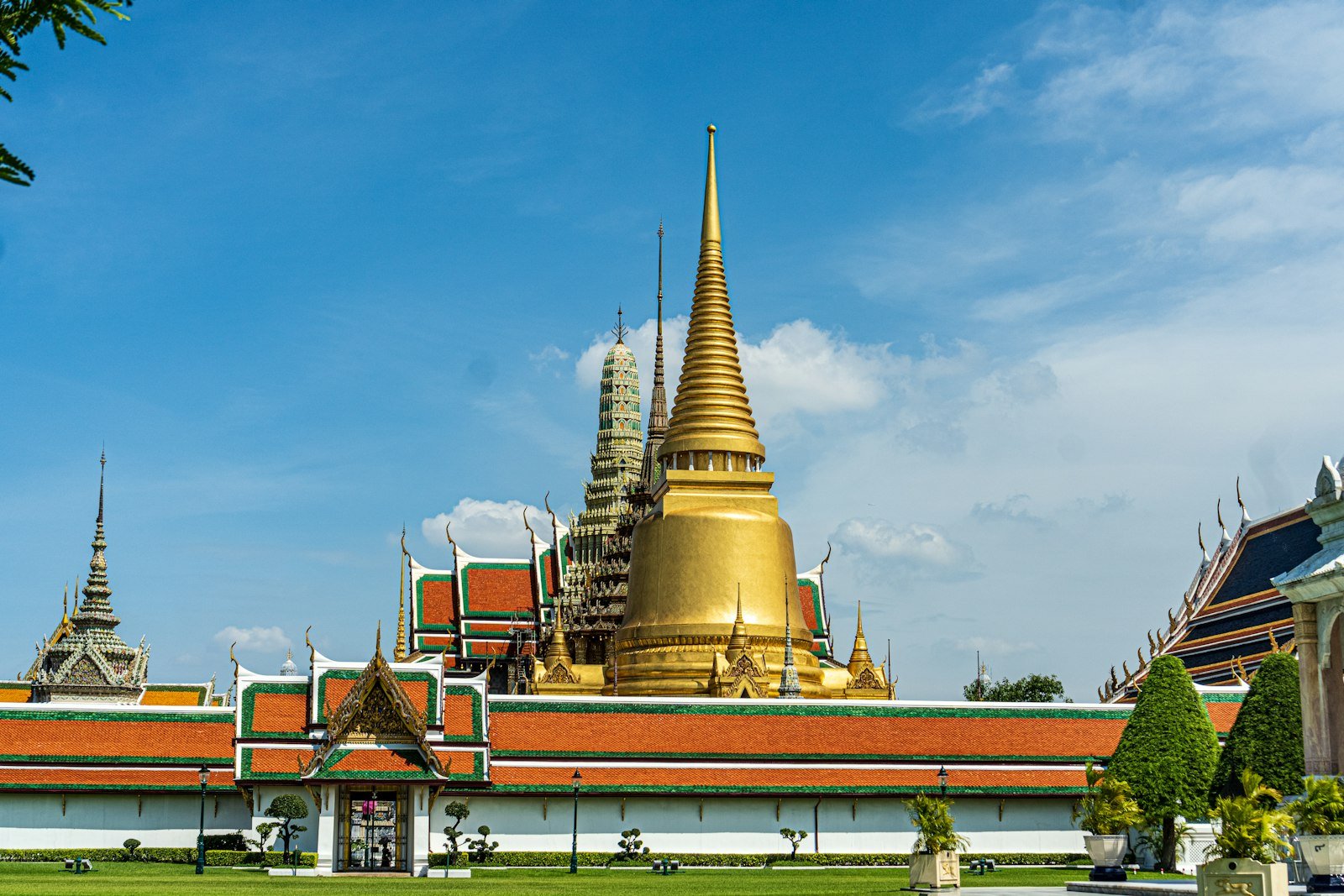
The Grand Palace is the main choice if you want to understand Bangkok’s royal landmarks. Wat Phra Kaew, within the complex, houses the Emerald Buddha. Choose this visit for architecture and religious heritage rather than a quick photo stop.
Go early, leave room for security and crowds, and follow the palace’s detailed dress rules. The official visitor page explains admission and clothing requirements. Check the official schedule before visiting, especially around ceremonies.
You can explore the palace independently, but a guide can help you understand the royal history and symbolism behind the buildings. If you would like that context while visiting the main landmarks, compare a guided Grand Palace, Wat Pho and Wat Arun tour. Check the selected itinerary, meeting point and whether admission fees are included before booking.
My experience: the palace was not closed. On one visit, just after we got out of a Bolt near the Grand Palace, a man told us it was closed for a holiday and suggested another tour. The palace was actually open. We accepted his suggestion, and his companion took us by tuk-tuk to a woman who collected payment for a boat trip. I no longer remember the price, but it felt far too expensive for what we received. The trip took us to a temple with a huge seated golden Buddha outdoors, and the promised return to Wat Pho never happened. It disrupted our plan; we came back to visit the landmarks later.
Before changing your plan because someone says the palace is closed, check at the official entrance. For a boat excursion, agree on the full price, route and return point before paying.
2. Visit Wat Pho and Wat Arun
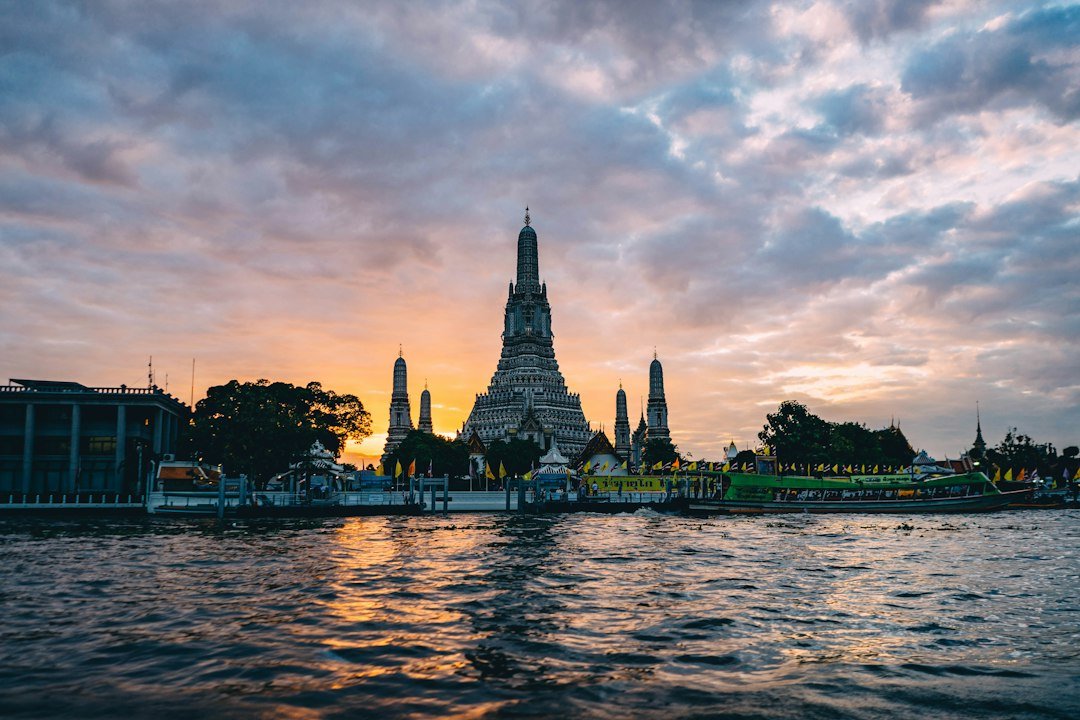
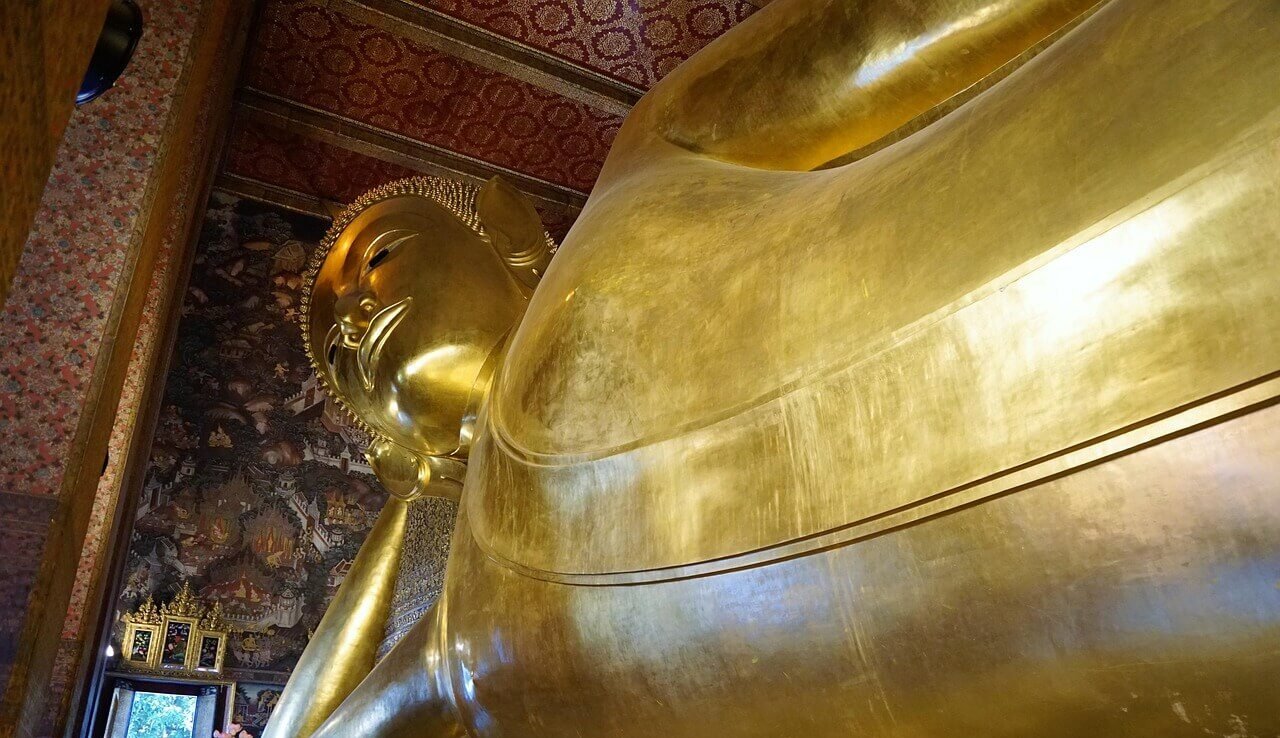
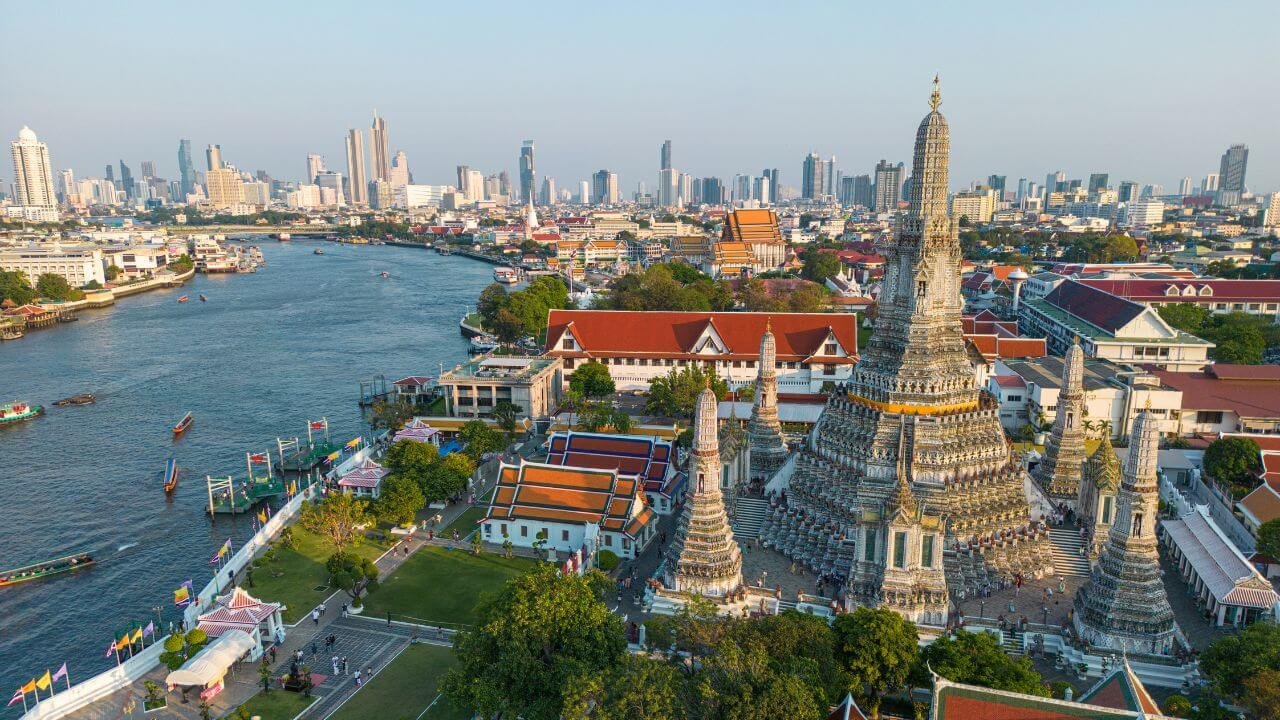
Wat Pho’s main attraction is the enormous Reclining Buddha: 46 meters long and covered in gold leaf. Its sheer scale makes this much more than a quick photo stop; take a moment to look along the statue and notice the details around it. Wat Arun offers a different experience, with its decorated towers and riverside setting across the water. Both fit naturally into a day exploring the historic center.
Give the three landmarks a generous block of time, with room for breaks and a meal. If your time is limited, choose the temple complex or riverside architecture that interests you most.
How I visited: I explored the Grand Palace, Wat Pho and Wat Arun independently on the same day and did not find it tiring. I used Bolt during the outing, and chose independent visits because an organized tour was more expensive. That worked for me; allow more time if you prefer longer visits or extra breaks.
Find Wat Pho and Wat Arun on Google Maps when planning your route.
Budget for the three main landmarks: the published admission fees below are for foreign adult visitors. USD amounts are rounded planning estimates using 33.5 THB to $1, not a live exchange-rate quote.
Swipe sideways if needed to see all columns.
| Landmark | Approximate USD | Published fee | Official information |
|---|---|---|---|
| Grand Palace and Wat Phra Kaew | $15 | 500 THB | Grand Palace visitor page |
| Wat Pho | $9 | 300 THB | Wat Pho visitor information |
| Wat Arun | $6 | 200 THB | Tourism Authority of Thailand |
That is about $30 (1,000 THB) per adult for the three admissions, before transport, food or a guide. Fees checked against official published information on 14 October 2026; check the linked pages again before your visit.
3. Take a Chao Phraya Boat Ride
A river ride can be both an experience and a useful connection between stops. It makes most sense when your day already includes the historic center or riverside, rather than as a separate journey from the opposite side of Bangkok.
Decide whether you want an ordinary transport boat or a sightseeing service. Their tickets and stops differ: check the Chao Phraya Express Boat service information for your chosen route. Allow time to find the right pier and service.
4. Spend an Evening in Chinatown
Yaowarat Road and the surrounding lanes are a strong choice for a food-focused evening. Try a few smaller dishes, leave time to walk, and choose busy vendors handling food carefully. Choose dishes cooked fresh and served hot, and use your judgment about cleanliness.
You can explore independently. A street-food walking tour is an optional way to get help with unfamiliar dishes.
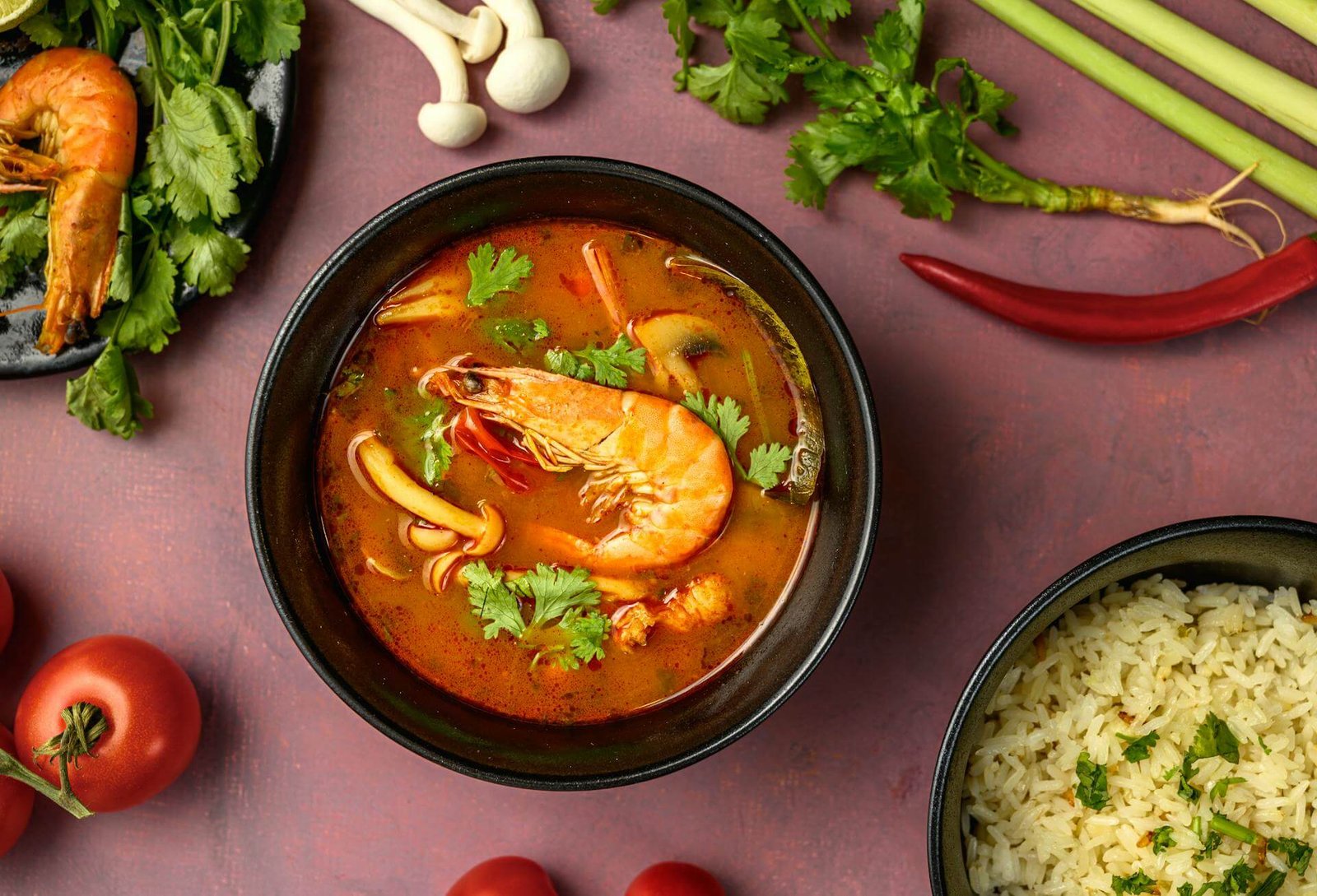
5. Browse Chatuchak Weekend Market
Choose Chatuchak if you enjoy wandering through stalls and your schedule includes a weekend. It is a shopping outing, not a stop you must fit into every first visit. Arrive with a few things you want to look for, but leave time to browse and take breaks.
My experience: Chatuchak felt like a maze: once I was inside, finding my way back out was not straightforward. Save the location of your entrance or a meeting point before you start browsing.
On a weekday, use Siam’s malls or another activity already near your route rather than building your day around the weekend market. Map: Chatuchak.
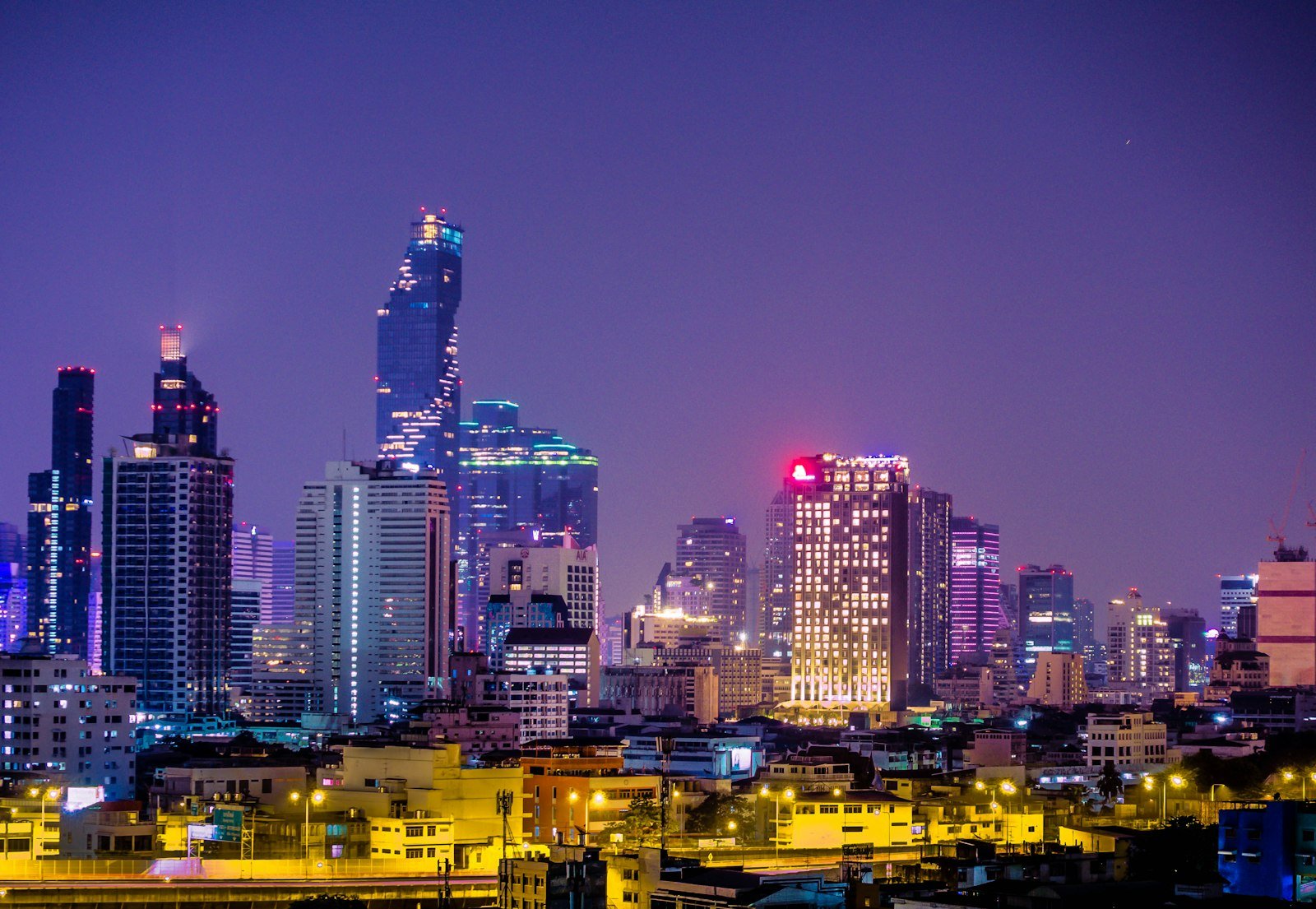
6. See the Skyline from Mahanakhon SkyWalk
Pick Mahanakhon if an observation deck and glass-floor experience appeal to you. A riverfront walk or park is another way to enjoy an evening outdoors, depending on the view and atmosphere you want.
For sunset, leave some daylight in your visit rather than arriving after the view has changed. Check the weather before committing: the operator notes that outdoor experiences may close because of weather conditions. See the official SkyWalk information, then check your selected ticket’s access conditions before booking. Optional Mahanakhon SkyWalk ticket.
7. Choose Jim Thompson House or BACC
These are useful alternatives around the Siam/National Stadium area, but they serve different interests.
Jim Thompson House suits travelers interested in traditional architecture and the former owner’s Asian art collection. The museum charges admission and requires a guide for entry to the main house. Check current visitor information before going.
Bangkok Art and Culture Centre suits a flexible contemporary-art visit. Its official site lists free admission and opening Tuesday–Sunday, with Monday closure. Check the current exhibitions before deciding.
For a short visit, choose the historic house for architecture or BACC for contemporary exhibitions; their nearby locations make either easy to combine with a meal around Siam.
8. Walk in Lumphini or Benjakitti Park
Choose Lumphini when your day centers on Silom, or Benjakitti when it fits a Sukhumvit-area plan. This is a break from sightseeing, so there is little reason to cross the city to visit both on a short trip.
Early morning or later afternoon is generally more comfortable than the hottest part of the day. Bring water and leave room to change plans if it rains.
Maps: Lumphini / Benjakitti.
9. Visit ICONSIAM and the Riverside
ICONSIAM gives you more than a shopping stop: you can combine a meal, regional Thai food and a riverside break in one visit. Start with SOOKSIAM on the ground floor, an indoor food and shopping area with dishes, sweets and crafts from different parts of Thailand. Its market-style setting makes it an easy place to browse a few food options without committing to a full restaurant meal.
My impression: I found ICONSIAM impressive and luxurious, and enjoyed the visit as an experience in its own right.
After eating, spend some time by River Park on the waterfront. This works well as a food and indoor break during a river-focused day, especially when you want a change from outdoor sightseeing. Keep the visit to food and the riverfront if shopping is not a priority, or leave more time for the shops.
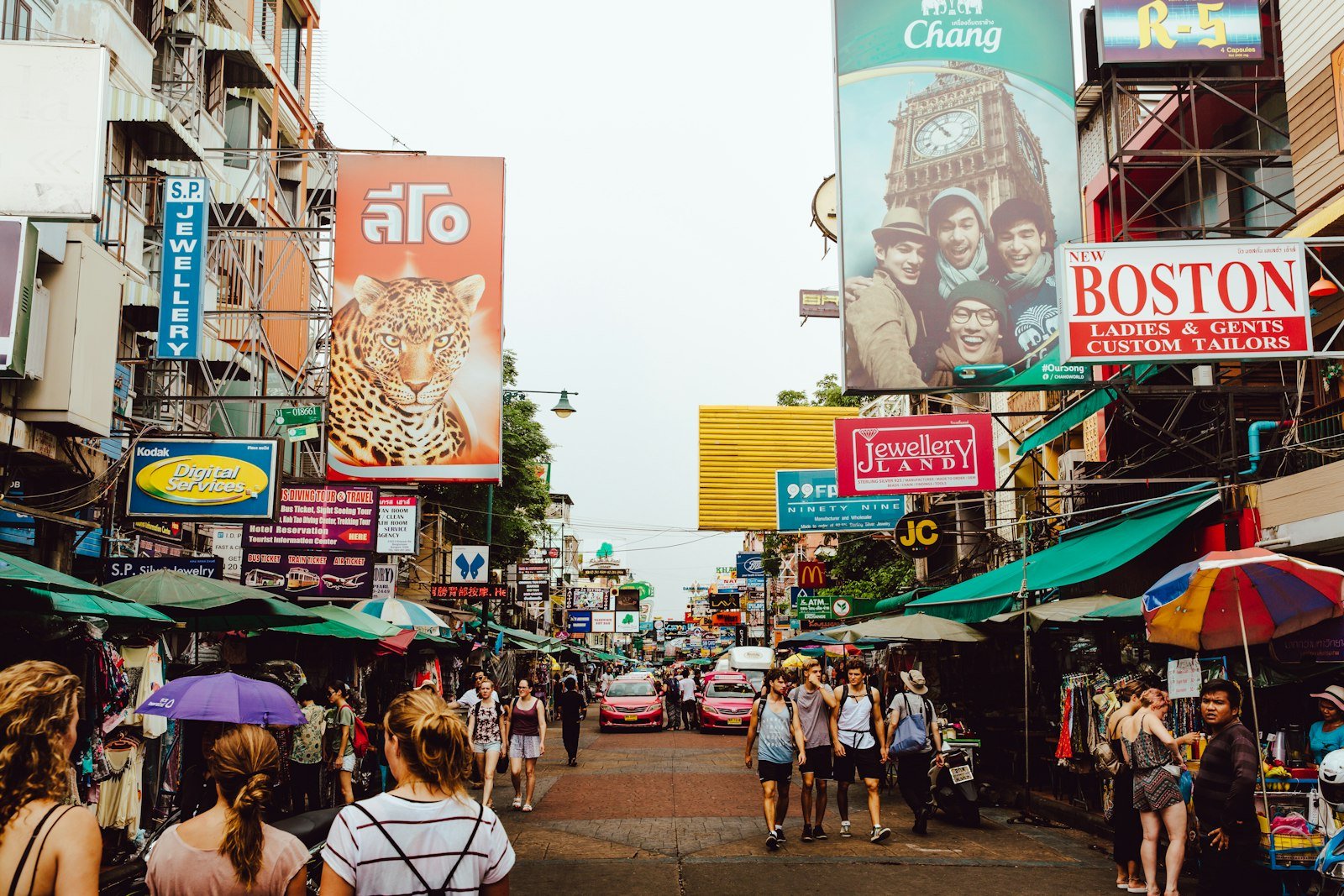
10. Enjoy Khao San Road or a Rooftop Evening
For a lively backpacker atmosphere, consider Khao San Road. For drinks with a skyline view, choose a rooftop venue. If food is your priority, make Chinatown your evening instead. Pick one as the main plan so you can enjoy it without crossing the city between distant venues.
My experience: I loved the atmosphere on Khao San Road, but the music could be so loud that I could barely hear the person with me. Go for the energy; for a proper conversation, find somewhere quieter to sit.
For accommodation chosen specifically around evening entertainment, see our Bangkok nightlife accommodation guide. It compares locations for travelers prioritizing nightlife.
11. Consider a Floating Market and Maeklong Excursion
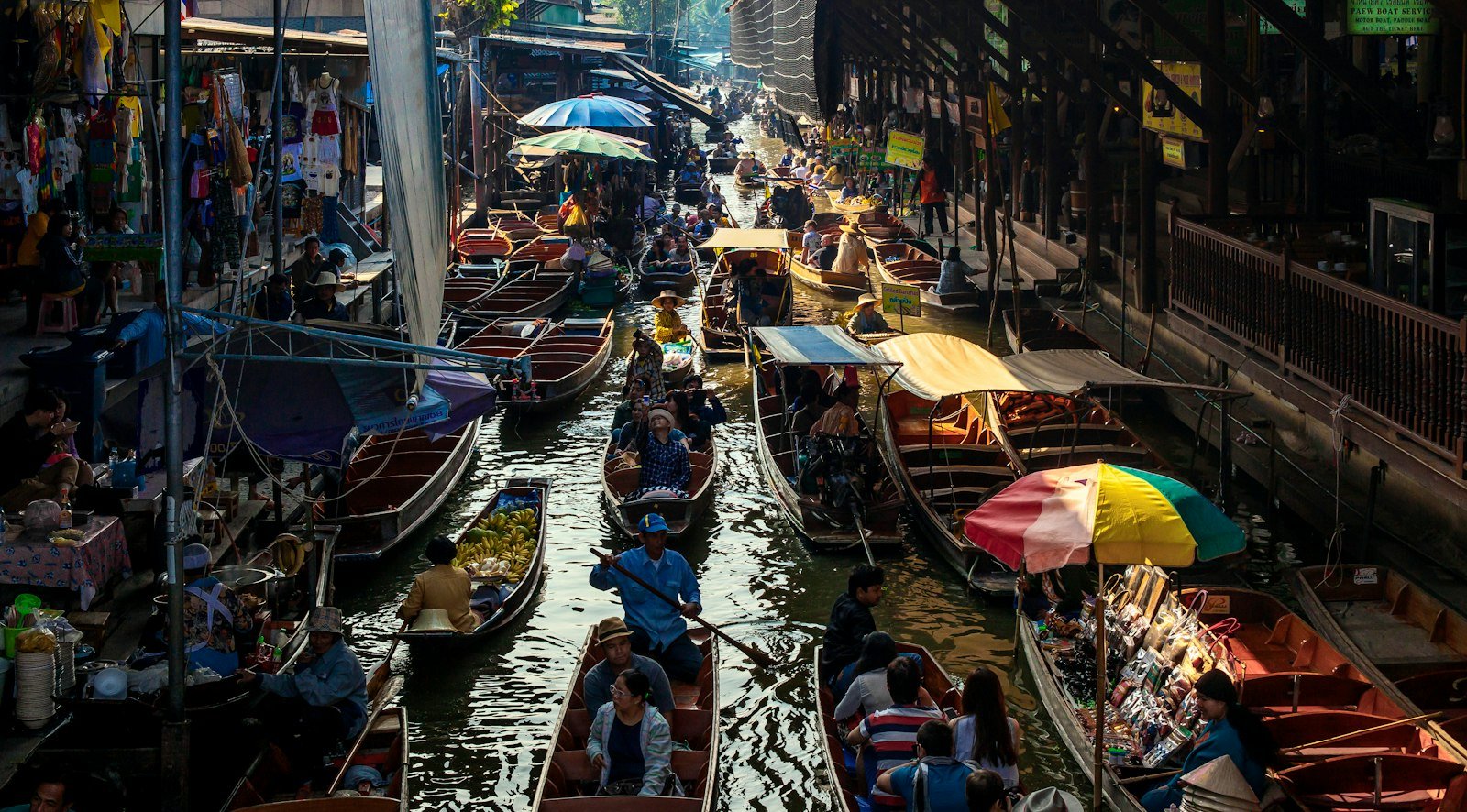
Damnoen Saduak and Maeklong Railway Market are outside central Bangkok. Choose this excursion if the canal market and railway setting interest you enough to spend time traveling there.
My experience at Damnoen Saduak: the floating market impressed me, but I found the prices very high. Ask for the full price before agreeing to a boat ride or buying something; the setting can be memorable without making every purchase good value. Visiting both markets independently takes more planning than choosing one: you need transport out of Bangkok, a connection between the markets and a way back. If you want both experiences in one day with fewer arrangements, a combined floating-market and railway-market tour can be the more convenient choice. Check the meeting point, return transport and whether the boat ride is included in your selected package.
Skip this outing if you have only two days and would rather spend them exploring Bangkok itself.
12. Take a Separate Day for Ayutthaya
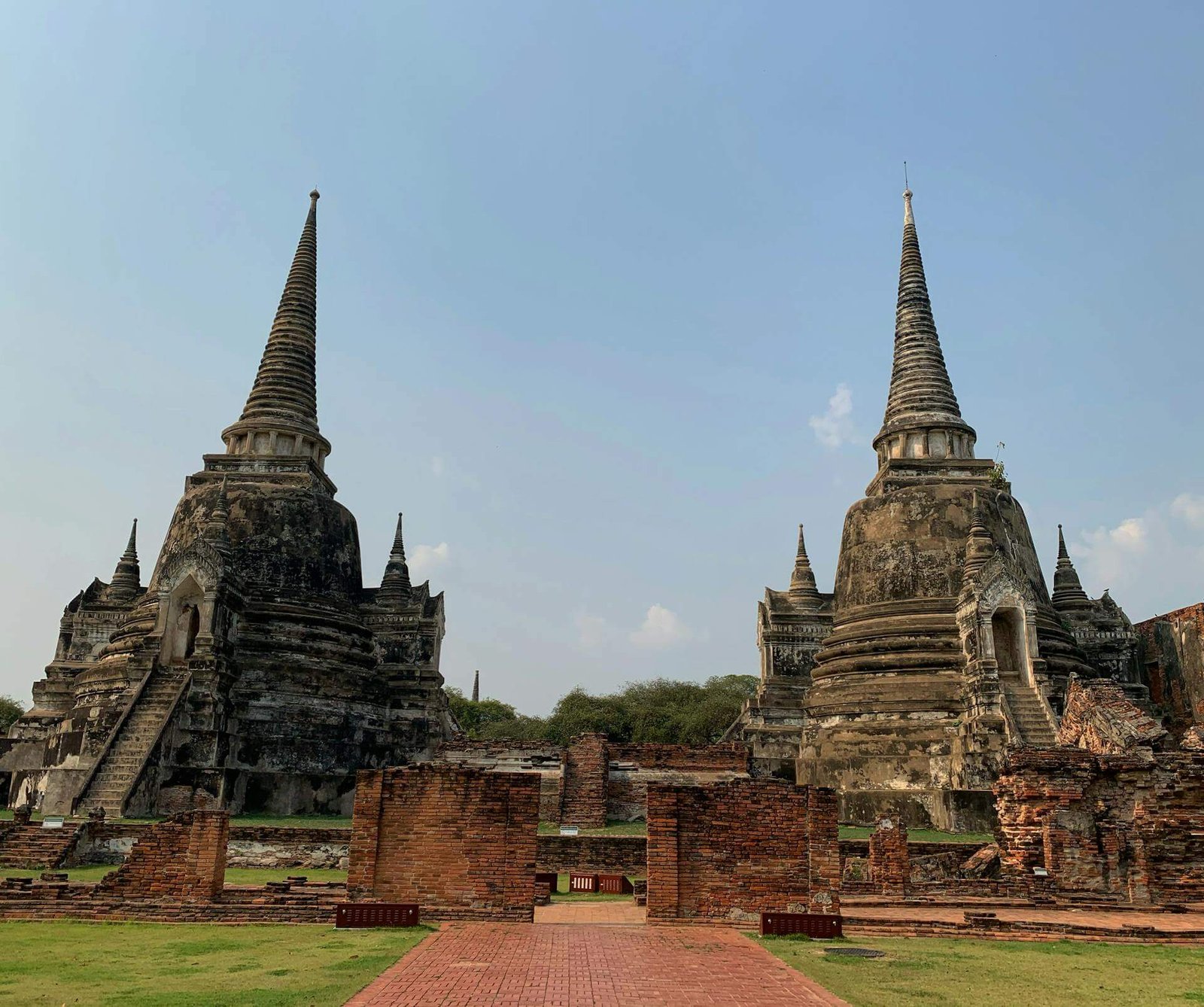
Choose Ayutthaya if historic ruins appeal to you more than another market or shopping day. The former capital offers a different setting from Bangkok’s active temples.
For a first visit, a guided Ayutthaya day tour from Bangkok is often the easier way to explore the former capital. The ruins become more meaningful when someone explains what once stood there and how the former capital developed. A tour that includes transport between sites also saves you organizing each connection separately. Before booking, check that a guide is included, which ruins you will visit and whether the price covers entrance fees and pickup from Bangkok.
Independent travel is still an option if you prefer your own pace. You can use 12Go to compare transport to Ayutthaya, then arrange travel between the sites and a local guide separately if you want historical context.
How to Group Your Bangkok Days
Use these approximate time allowances to build your day. Heat, queues, travel and personal interest can change how long you need.
Swipe sideways if needed to see all columns.
| Area or outing | Suggested planning allowance | Combine with |
|---|---|---|
| Grand Palace, Wat Pho and Wat Arun | Most of a sightseeing day | A river ride; Chinatown later if you still have energy |
| Chinatown | An evening | Dinner and a walk rather than several distant stops |
| Jim Thompson House or BACC (Siam area) | About 1–2 hours for one choice | Shopping or a meal nearby |
| Chatuchak | A half-day if you like browsing | Keep the rest of the day flexible |
| Park | About 45–90 minutes | The nearby neighborhood |
| Ayutthaya or combined markets | A separate day | Do not schedule both excursions in one day |
Two days: spend the first on the historic center and an optional Chinatown dinner. On the second, choose Chatuchak if it is a weekend, or a Siam art/shopping stop. Add a viewpoint or nearby evening activity only if the day feels manageable.
Three days: add one excursion, or keep the extra day inside Bangkok for parks, food and a slower riverside visit. Choose according to your interests, not the number of places left unchecked.
Keep the Practical Planning Simple
Stay near transport useful for your actual itinerary. BTS and MRT help on rail-connected routes; river boats suit riverside stops. A hotel’s neighborhood name alone does not tell you how easy your daily journeys will be.
For arrival options, read our Suvarnabhumi Airport to Bangkok guide. For a wider route, use our Thailand itinerary. Booking and connectivity tools are collected on Best Travel Resources.
Should You Book Everything Ahead?
No. Keep ordinary walks and neighborhood exploration flexible. For a paid attraction or excursion you especially want, check its official rules and the selected ticket before booking. Advance booking and queue-skipping are different claims.
Final Thoughts
For a first visit, build around the historic center, food and one experience you especially want. Add a market, viewpoint, art stop or excursion that fits your time and interests. A shorter plan that works geographically is more useful than a long list you spend the holiday traveling between.