
Last updated: September 15, 2026
Thailand can still be an affordable destination in 2026, but the answer to “How much does a trip to Thailand cost?” depends heavily on where you go, how often you move between destinations, and how comfortable you want to travel.
A traveler staying in Chiang Mai, eating local food and using public transport can spend far less than someone staying in Phuket, taking taxis and booking island tours every day.
Quick Answer: How Much Does Thailand Cost in 2026?
For planning purposes, a reasonable starting point is:
| Travel style | Estimated daily budget per person |
|---|---|
| Budget | $35–55 (about ฿1,200–1,800) |
| Mid-range | $90–135 (about ฿3,000–4,500) |
| Comfortable | $180–300+ (about ฿6,000–10,000+) |
These are planning estimates, not fixed prices. USD is the main reference throughout this guide; Thai baht is shown only where it is useful for local prices. Exchange rates move, so treat the conversions as rounded estimates. These daily ranges cover typical accommodation, food, local transport and some activities, but do not include your international flight to Thailand.
The most useful way to budget is not to rely on one national average. Build your budget around your actual route.
Disclosure: This article contains affiliate links. If you book through one of our links, we may earn a small commission at no additional cost to you.
In This Guide
Thailand Trip Cost at a Glance
A rough per-person in-country budget before international flights could look like this:
| Trip length | Budget traveler | Mid-range traveler | Comfortable traveler |
|---|---|---|---|
| 7 days | $255–420 | $630–960 | $1,260–2,100+ |
| 10 days | $390–600 | $900–1,350 | $1,800–3,000+ |
| 14 days | $540–840 | $1,260–1,890 | $2,520–4,200+ |
Treat these as a starting budget rather than a quote. If your trip includes Phuket, Koh Samui, frequent domestic flights, private transfers, nightlife, beach clubs or several organized tours, add a larger buffer.
If you spend more time in Chiang Mai or smaller northern destinations, use local transport and eat mainly local food, your costs can be lower.
7-Day Thailand Trip Cost
With only a week, the biggest money-saving decision is not choosing the cheapest hotel—it is keeping the route simple. Bangkok + Chiang Mai works well, or Bangkok + one southern beach destination if beaches matter more to you.
The totals in the table above already cover budget, mid-range and comfortable travel, so there is no need to repeat the three ranges again here. Instead, focus on where the money usually goes: accommodation, one major transfer between destinations, food, local transport and one or two paid experiences.
If you have only seven days, I would usually pay a little more for convenient transport rather than squeeze in another destination and lose half a day in transit.
For route ideas, see our Thailand Itinerary: 7, 10 & 14 Days for First-Time Visitors.
10-Day Thailand Trip Cost
Ten days is where Thailand starts feeling less rushed. A classic first-time route is Bangkok → Chiang Mai → Phuket or Krabi.
The main budget jump usually comes from adding the south: beach hotels, airport or pier transfers, island tours and sometimes domestic flights. For most first-time travelers, the mid-range total in the table above is a realistic starting point because it gives room for good private hotels, comfortable transport and a couple of memorable activities without turning the trip into a luxury holiday.
14-Day Thailand Trip Cost
Two weeks lets you travel at a much better pace. A realistic route could be Bangkok → Chiang Mai → Phuket or Krabi → Bangkok, with enough time to enjoy each stop instead of constantly packing and moving.
This is also when small expenses start to matter: an extra taxi, baggage fees, another island tour, airport food or a few spontaneous nights out can quietly add up.
For a two-week trip, keep roughly a 10–15% buffer on top of the total you choose from the table above.
How Much Does Accommodation Cost in Thailand?
Accommodation is one of the biggest variables in the total cost of a Thailand trip.
Important: hostel prices may be listed per bed, while private-room and hotel prices are usually per room. If two people share one room, the per-person accommodation cost can be much lower.
| Accommodation type | Typical planning range per night |
|---|---|
| Hostel / simple guesthouse | $12–30 (about ฿400–1,000) |
| Budget private room | $20–45 (about ฿700–1,500) |
| Mid-range hotel | $35–90 (about ฿1,200–3,000) |
| Comfortable / upscale hotel | $105+ (about ฿3,500+) |
Two people traveling together can reduce the per-person accommodation cost substantially because they share one room. A solo traveler booking private hotel rooms usually spends more per person.
Prices also vary dramatically by location. Phuket and popular islands can cost considerably more than Chiang Mai or less touristy cities, especially around Christmas, New Year and peak beach season.
Food Costs in Thailand
Thailand is one of those destinations where you can eat extremely well without spending much.
Local meals and street food
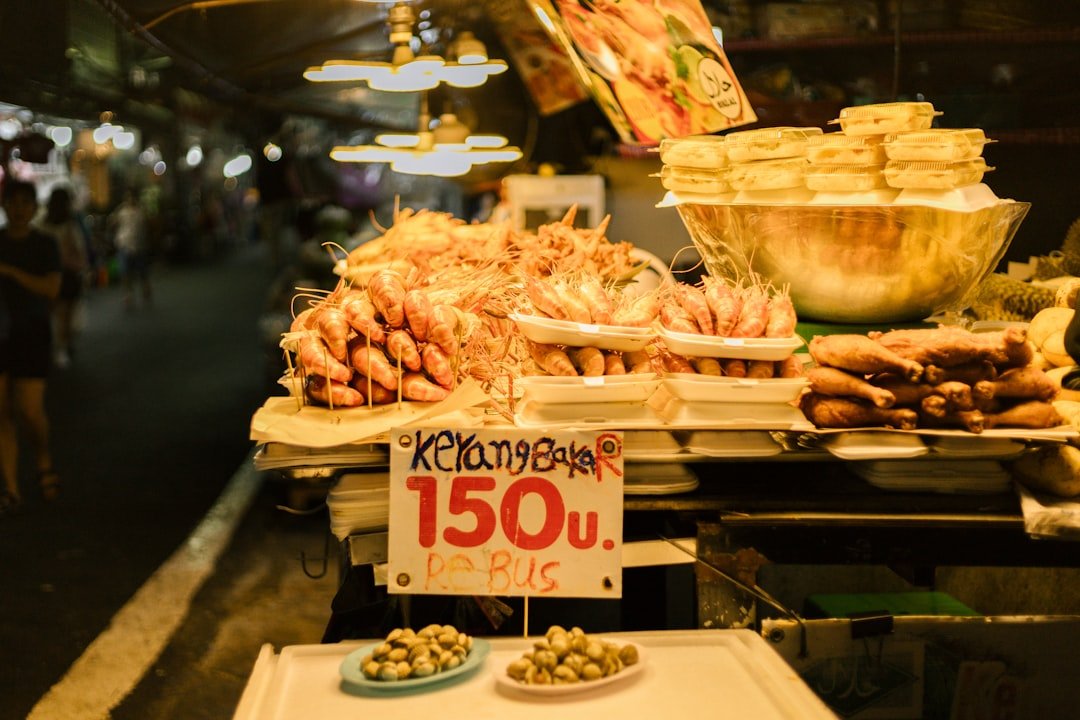
A simple Thai meal may cost roughly $1.50–4.50 (about ฿50–150), depending on the location. Markets and local restaurants are usually much cheaper than restaurants in heavily touristed areas.
Mid-range dining
If you mix Thai restaurants, cafés and international meals, a practical food budget is around $15–36 per person per day (about ฿500–1,200).
Western restaurants, rooftop bars and nightlife
Your food and drink budget can rise very quickly. A single evening at a rooftop bar or higher-end restaurant can cost more than an entire day of local meals.
This is one reason two travelers can visit the same destinations and end up with very different Thailand trip costs.
Transportation Costs in Thailand
Bangkok
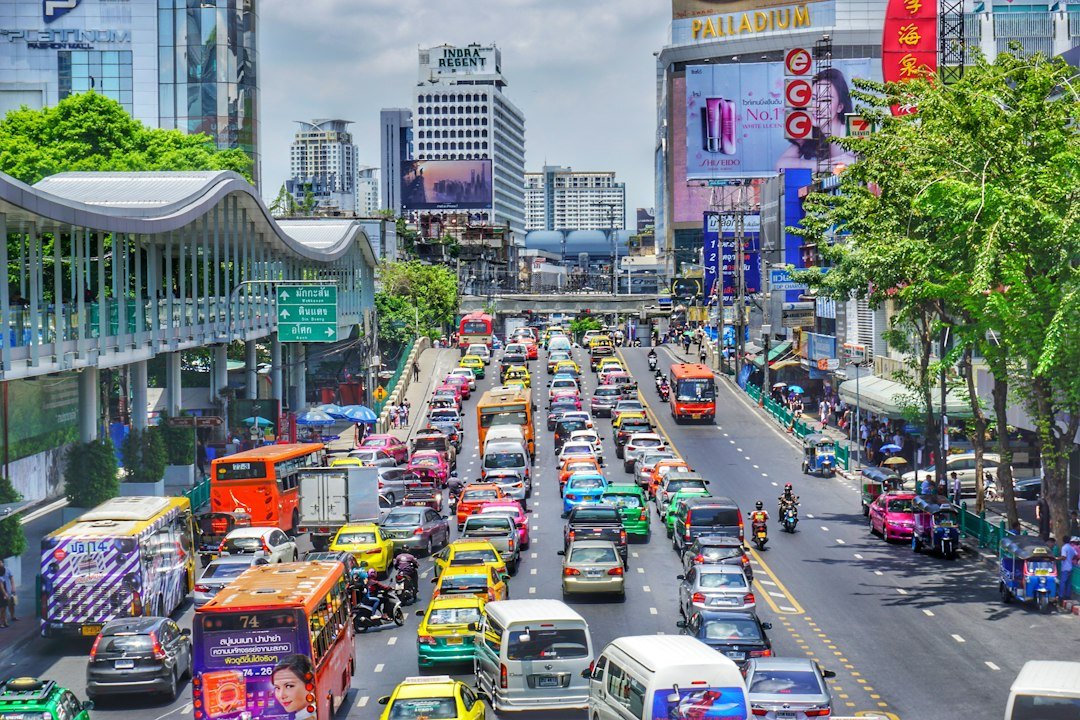
Bangkok is relatively easy to navigate with the BTS Skytrain, MRT, river boats, buses, taxis and ride-hailing. Using rail transport where possible usually costs less than taking taxis all day and can also be faster during rush hour.
For Bangkok-specific planning, see our complete Bangkok guide for first-time visitors.
Chiang Mai
Transportation is generally cheaper than in Thailand’s major beach destinations. Depending on where you stay, you may also be able to walk between cafés, temples and parts of the Old City.
Phuket and the islands
This is where transport can surprise first-time visitors. Public transport is less convenient in many beach areas, which can mean relying more on taxis, transfers or rented vehicles.
Travel between cities
Domestic flights, overnight trains, buses, ferries and private transfers should be treated separately from ordinary local transport. The more destinations you add, the more you spend—not only on tickets, but also on airport transfers, taxis and lost travel time.
Bangkok vs Chiang Mai vs Phuket: Which Costs More?
Chiang Mai — usually the cheapest
Chiang Mai is generally the easiest of the three for lower daily spending, especially for food, cafés, temples and accommodation.

Bangkok — the middle ground
Bangkok can be inexpensive if you use public transport and local food, but there are endless opportunities to spend more on shopping, rooftop bars, fine dining, tours and nightlife.
Phuket — generally more expensive
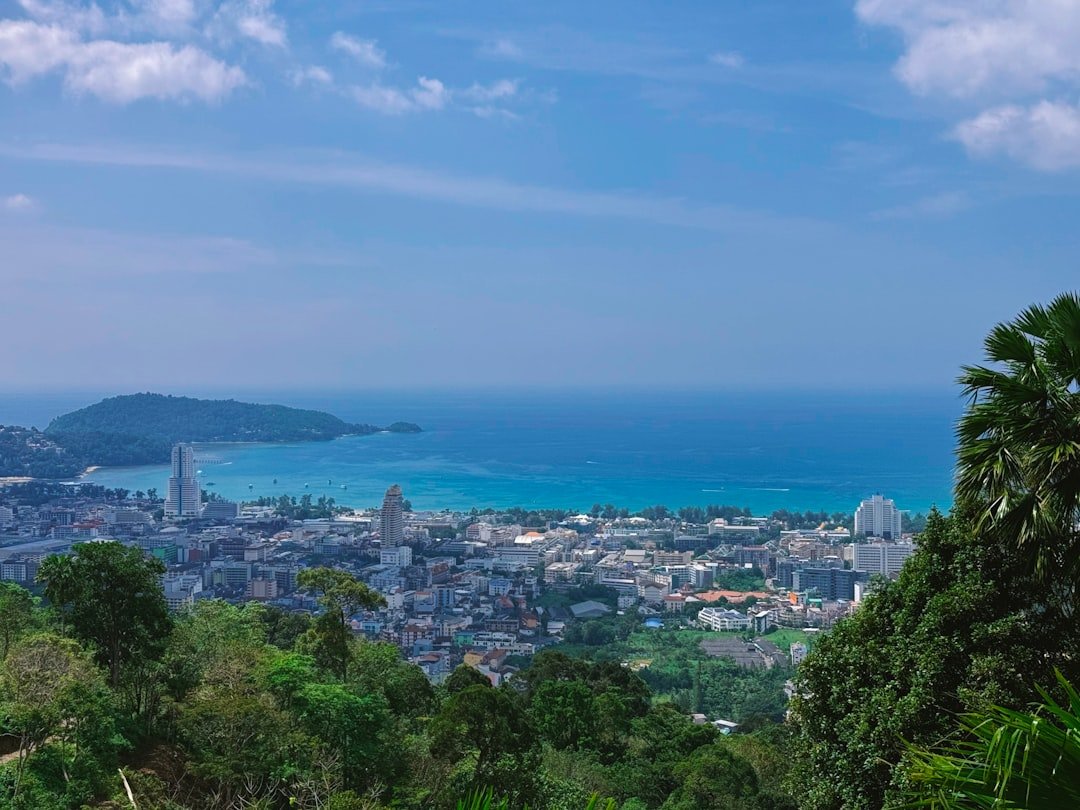
Expect higher costs for hotels, taxis, island excursions, beachfront dining and tourist activities.
This does not mean you should avoid Phuket. It simply means you should not use a Chiang Mai daily budget to estimate a Phuket holiday.
If Phuket is part of your route and you want to budget for one classic island day, compare current prices forPhi Phi Islands tour options from Phuket and add the option you choose separately to your activities budget.
How Much Should You Budget for Tours and Attractions?
This category varies enormously. Many temples, markets and outdoor attractions are free or inexpensive, while organized day trips can cost thousands of baht.
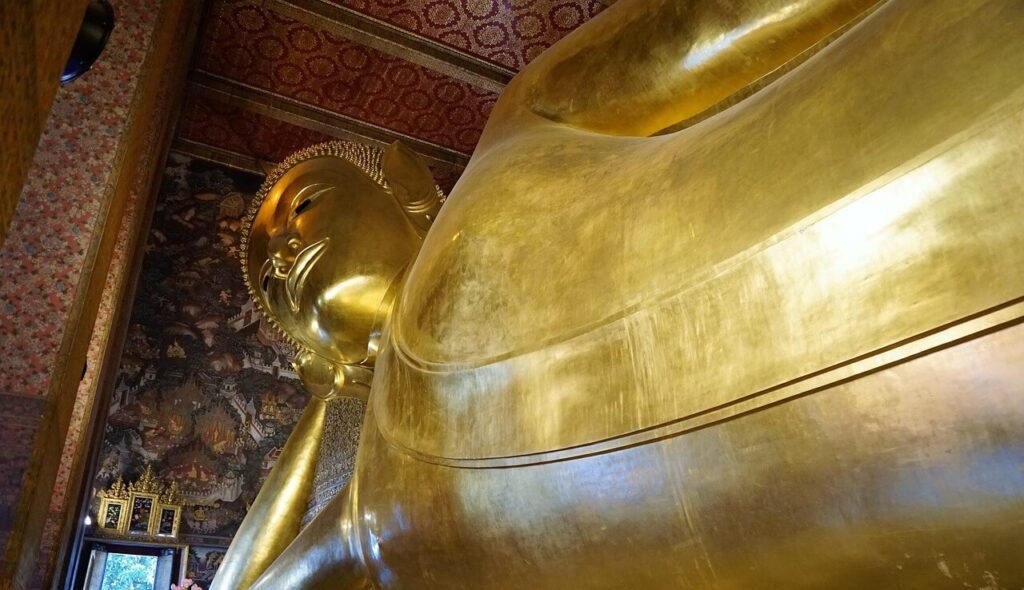
For a concrete example, the official Grand Palace website currently lists the foreign-visitor ticket at about $15 (฿500), including access to Wat Phra Kaew and the Queen Sirikit Museum of Textiles. Check the current official information here.
If you prefer to see Bangkok’s main temples with a guide instead of visiting them separately, compare current prices forGrand Palace and Bangkok temple tour options and add the option you choose to your activities budget.
Island tours, cooking classes, elephant-related experiences, guided excursions and private tours willcost considerably more.
For a mid-range trip, I would keep a separate activities budget instead of assuming every attraction will fit inside your normal daily spending.
International Flights to Thailand
I recommend keeping your international airfare outside your daily Thailand budget.
A traveler flying from Singapore, Lebanon, London and New York will obviously have completely different flight costs. Airfare also changes based on departure country, season, airline, connections, baggage, booking timing and travel dates.
Use this formula:
International flight + in-country Thailand budget = estimated total trip cost
Primary planning step: compare flight options and flexible dates using Aviasales, then build the rest of your trip around the realistic in-country ranges above.
Always check baggage, cancellation rules and the final booking price before choosing a flight purely because it appears cheapest in search results.
Airport Transfers: A Small Cost That Adds Up
Airport transportation is easy to forget while planning. Bangkok has good rail and public transport options, but travelers arriving late, traveling with children or carrying a lot of luggage may prefer a taxi or pre-booked transfer.
Phuket and other tourist areas can make airport transfers a larger part of the budget.
If convenience matters more than the lowest possible price, you can compare pre-booked options with Welcome Pickups.
Hidden Thailand Travel Costs
1. ATM and bank fees
Foreign-card withdrawal charges can vary by bank, card type and ATM operator, and your home bank may add another fee. Check the amount shown on the ATM screen before confirming rather than assuming every machine charges exactly the same amount.
2. Currency conversion
When an ATM or payment terminal offers to convert the purchase into your home currency, check the rate carefully. Your own card provider’s exchange rate may be better.
3. Domestic baggage fees
Low-cost flights can look cheap until you add checked baggage, seat selection and other extras.
4. Islands and ferries
Getting to an island may involve flights, vans, ferries, pier transfers and hotel transfers. Include the entire journey when comparing destinations.
5. Peak-season pricing
Christmas, New Year and popular holiday periods can push hotel prices substantially higher.
6. Tours booked every day
One tour may not affect your budget much. Five or six organized activities absolutely will.
Do You Need Cash in Thailand?
Thailand is increasingly digital, but cash remains useful for street food, markets, local transport, small restaurants, some attractions and smaller shops.
Do not rely on only one payment method. A practical approach is to carry some Thai baht, one main card and a backup card stored separately.
Avoid carrying your entire trip budget in cash.
Is There a Thailand Tourist Entry Fee in 2026?
You may still find older articles saying Thailand charges foreign visitors a ฿300 tourist fee. That is not a current universal charge.
As of September 2026, the Thai government is considering a revised tourism fee of about $13.50 (฿450) for foreign visitors. It is still a proposal rather than a fee that travelers should automatically add to today’s trip budget. The government information says implementation would follow the required approval and Royal Gazette process, with air arrivals planned first. See the current Thai government information.
Because this is changing policy, check the official status again shortly before traveling.
Do You Need the Thailand Digital Arrival Card?
Yes. The Thailand Digital Arrival Card (TDAC) is separate from the proposed tourism fee.
Thailand’s Immigration Bureau says all non-Thai nationals entering Thailand must complete the TDAC online before entry. It can be submitted within three days before arrival, including the arrival date. It is an arrival form, not a visa.
Use the official Immigration Bureau system at tdac.immigration.go.th rather than paying an unofficial third-party website to submit it for you.
Travel Insurance and eSIM Costs
These are easy to ignore when calculating a Thailand budget.
Travel insurance depends on your country, age, trip length and level of cover, so I would not include one universal price in the daily estimate. If you want to compare an option, review the coverage and exclusions from EKTA for your actual dates.
For mobile data, an eSIM can be convenient if your phone supports it. You can compare Thailand plans with Airalo, but also compare the package with local Thai SIM options because the best value depends on trip length and data usage.
How to Spend Less in Thailand Without Ruining Your Trip
- Stay near public transport in Bangkok. A slightly more expensive hotel near BTS or MRT can save both money and time.
- Mix local food with restaurants. Thailand’s inexpensive food is part of the experience, not simply a way to save money.
- Do not change destinations too often. Every move creates transport costs, transfers, baggage charges and lost time.
- Choose expensive experiences deliberately. If an island tour or special restaurant matters to you, spend there and save somewhere you care about less.
- Compare Phuket and Krabi by total trip cost. Look at hotel, transport and tours together rather than only the room rate.
- Compare flights before locking the itinerary. Check flexible dates on Aviasales; a small date change can sometimes save more than several days of careful food budgeting.
- Keep a buffer. Add roughly 10–15% for price changes and spontaneous plans.
Solo Traveler vs Couple: Who Spends More?
Per person, couples often have an advantage because they share hotel rooms, taxis and private transfers.
A solo traveler staying in hostels can still travel extremely cheaply. But a solo traveler who prefers private hotel rooms may have a higher per-person accommodation cost than a couple sharing the same room.
When reading Thailand budget articles, always check whether prices are listed per person, per room or per couple. It makes a major difference.
How Much Money Should You Actually Plan for Thailand?
For a first-time traveler who wants comfortable hotels, good food, major attractions and reasonable flexibility, I would personally build the trip around roughly $90–135 per person per day (about ฿3,000–4,500), excluding international flights.
Then add:
- Your international flight
- Travel insurance
- Major shopping
- Expensive nightlife
- Special luxury experiences
- A 10–15% buffer
That gives you a far more realistic estimate than relying on one generic “Thailand costs X per day” figure.
For the bigger planning picture, read our Thailand Travel Guide and then use the 7, 10 & 14-Day Thailand Itinerary to choose your route.
Thailand Trip Cost FAQ
Is $45 per day enough for Thailand?
It can be. About $45 is roughly ฿1,500, which can work for a budget traveler using inexpensive accommodation, local food and public transport. It becomes much harder in Phuket or on tourist islands if you also want frequent organized tours.
Is Thailand still cheap in 2026?
Thailand can still offer very good value, particularly for food, local accommodation and transport. Heavily touristed islands, premium hotels, private transport and international-style nightlife can make a Thailand holiday much more expensive than the country’s “cheap destination” reputation suggests.
How much does one week in Thailand cost?
A rough in-country budget is around $255–420 for budget travel, $630–960 for mid-range travel, or $1,260–2,100+ for a comfortable trip, excluding international flights.
How much should I budget for two weeks?
Approximately $540–840 on a budget, $1,260–1,890 mid-range, or $2,520–4,200+ comfortably. Your route matters enormously.
Is Phuket more expensive than Bangkok?
Often, yes—particularly for transportation, resorts and island activities. Bangkok can also become expensive if your trip includes high-end restaurants, shopping and nightlife.
Should I carry all my Thailand spending money in cash?
No. Carry enough Thai baht for smaller purchases and keep one or more cards available as backup. Check your own bank’s international fees and withdrawal limits before leaving home.
Is the Thailand tourist fee already being charged?
No universal ฿450 tourism fee is being charged as of September 2026. It remains a government proposal and should be checked again before your trip.
Is the TDAC mandatory?
Yes. Non-Thai nationals entering Thailand are required to complete the Thailand Digital Arrival Card before entry, normally within the three-day submission window before arrival.
Final Thoughts
Thailand does not have one “correct” travel cost. Your route matters more than chasing a perfect daily average: Chiang Mai, Bangkok and Phuket can produce very different totals even for travelers with similar habits.
Start with your route and international flight, then add accommodation, major transport and the experiences you actually care about. Keep a small buffer and avoid paying for extra destinations just to say you visited them.
Next, use our Thailand Itinerary: 7, 10 & 14 Days to choose your route, or read our Thailand Travel Guide for First-Time Visitors for the bigger picture.